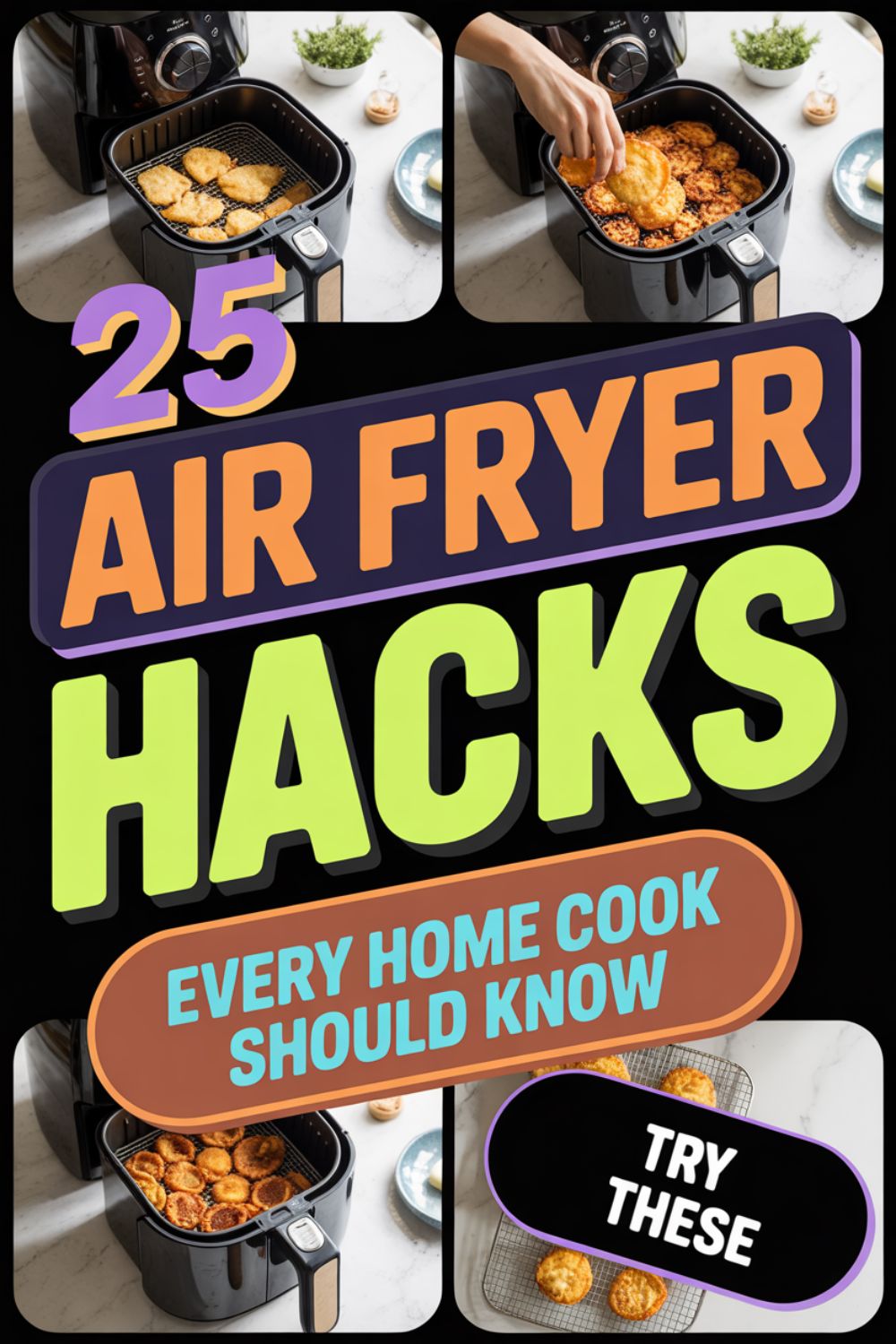
25 Air Fryer Hacks Every Home Cook Should Know
Look, I’m not going to pretend my air fryer changed my life or cured my existential dread. But it did make me actually want to cook dinner on a Tuesday, which is saying something. If you’ve been using yours like a glorified chicken nugget warmer, you’re missing out on some genuinely useful tricks that’ll make you wonder why you didn’t figure this stuff out sooner.
I’ve burned enough Brussels sprouts and created enough smoke alarms incidents to learn what actually works. So here’s the deal: 25 practical hacks that’ll help you get more out of that countertop convection oven without pretending it’s magic.
1. Line Your Basket with Parchment Paper (But Do It Right)
Here’s the thing about parchment paper: it’s a game-changer for cleanup, but you can’t just toss it in there like you’re wrapping a birthday present. Cut it to fit the bottom of your basket, and here’s the crucial part—poke holes in it. Those holes let the hot air circulate, which is literally the entire point of air frying.
I learned this the hard way after wondering why my fries were soggy on one side. You can buy pre-cut perforated parchment rounds, or just use a regular hole punch on regular parchment. Either way, proper air circulation is essential for food safety and getting that crispy texture we’re all after.
2. Flip Everything Halfway Through
Yeah, I know the manual says to shake the basket. But flipping actually works better for anything bigger than a French fry. Chicken thighs, fish fillets, even thick-cut veggies—they all need that manual flip at the halfway point.
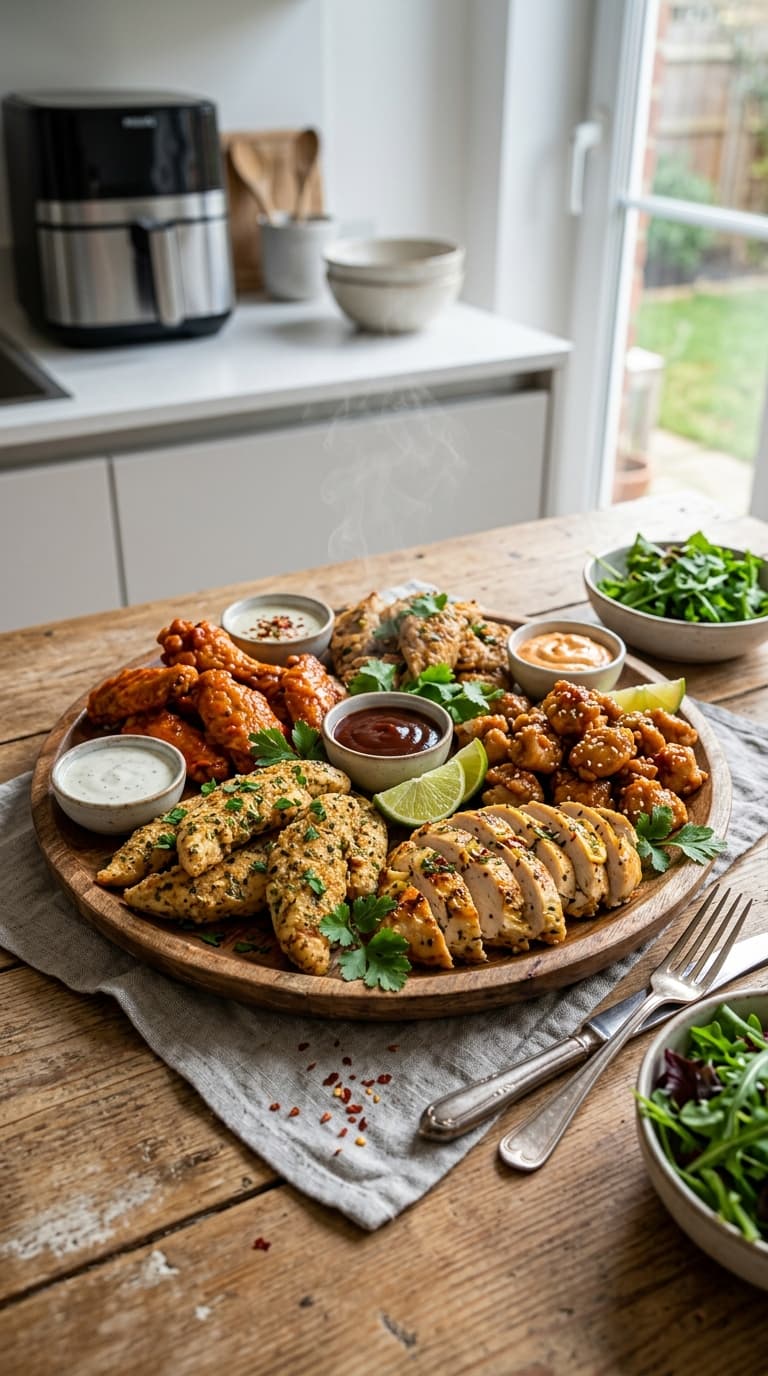
Set a timer on your phone because you will forget. I’ve accepted this about myself. The difference between flipped and non-flipped food is the difference between evenly crispy and disappointingly one-sided. If you’re making something like these crispy air fryer chicken bites, the flip is non-negotiable.
3. Don’t Overcrowd (I Mean It)
This is probably the most violated rule in air fryer history. I get it—you want to cook everything at once. But cramming food in there just steams it instead of crisping it, and nobody wants steamed “fried” chicken.
Leave space between pieces. If you’re cooking for more than two people, you’re probably looking at multiple batches. Use the time between batches to prep your next ingredients or just scroll your phone. The second batch cooks faster anyway since the air fryer’s already hot.
Pro Tip: Cook in batches and keep the first batch warm in a 200°F oven while you finish the rest. Your sanity and your crispy food will thank you.
4. Use a Little Oil (Seriously)
The “no oil” thing is technically true, but also technically disappointing. A light mist of oil—and I mean light, like barely there—makes everything taste about 300% better. It helps seasonings stick, promotes browning, and prevents that weird dry texture some foods get.
I use a refillable oil mister because spray cans can damage the non-stick coating. Just a few spritzes before cooking, and you’re golden. Literally. This works especially well for these air fryer veggies.
5. Preheat for Better Results
Some people swear you don’t need to preheat. Those people are wrong, or at least they’re settling for subpar results. Three to five minutes of preheating makes a noticeable difference, especially for anything you want actually crispy.
Think of it like preheating your oven, except way faster and with less existential waiting. Your food starts cooking immediately at the right temperature instead of gradually warming up. According to Consumer Reports testing, consistent temperature is key for both safety and texture.
6. Season After Cooking (Sometimes)
Here’s a weird one: delicate seasonings like garlic powder or dried herbs can burn in the air fryer. If you’re cooking at high heat, add these after cooking instead of before. The oil from hack #4 will help them stick.
Salt and pepper are fine to add before cooking. But that fancy everything bagel seasoning you love? Save it for the end unless you want it tasting burnt and bitter. Learn from my mistakes.
7. The Foil Trick for Easy Cleanup
When you’re cooking something particularly messy—marinated meats, anything with sauce—create a foil sling. Line the basket with foil, leaving the edges long enough to lift the food out when it’s done. Just remember to poke holes in the foil for air circulation.
This hack saved me from scrubbing sticky barbecue sauce residue for the millionth time. Although honestly, getting a good non-stick basket in the first place helps too.
8. Use It to Revive Leftovers
Forget the microwave for reheating pizza, fries, or fried chicken. The air fryer brings back that crispy texture like nothing else. Three to four minutes at 350°F, and your day-old pizza tastes almost as good as it did fresh.
I’ve started ordering extra takeout on purpose just to air fry the leftovers the next day. That’s not lazy, that’s strategic meal planning. For more ideas on quick reheating, check out these simple air fryer lunches.
Speaking of quick meals, you might also love these easiest air fryer dinners or these foolproof air fryer meals that even cooking beginners can nail.
9. The Bread Trick for Grease
When cooking fatty foods like bacon or sausages, put a slice of bread in the bottom of the air fryer drawer (not the basket—the part underneath). It soaks up the dripping grease and prevents smoke.
This sounds ridiculous until you try it. The bread essentially acts as a grease trap, and you just toss it when you’re done. Plus, you can eat the bacon-flavored bread if you’re into that kind of thing. No judgment.
10. Check Your Food Early
Recipe times are suggestions, not law. Every air fryer runs slightly different, and yours might cook faster or slower than mine. Start checking a few minutes before the recommended time, especially the first time you make something.
I’ve burned enough food by trusting timers blindly. Now I check early and often, adjusting as needed. Better to add more time than to serve charcoal for dinner.
Quick Win: Write down your actual cooking times for favorite recipes on a sticky note inside a cabinet door. You’ll dial in perfect timing after just a few attempts.
11. The Toothpick Test for Baked Goods
Yes, you can bake in an air fryer. Muffins, brownies, even small cakes work great. Use the toothpick test like you would with an oven—stick a toothpick in the center, and if it comes out clean, you’re done.
Lower the temperature by about 25°F from what the recipe suggests for a regular oven, and cut the time by about 20%. Baking in an air fryer is faster and doesn’t heat up your whole kitchen, which is clutch in summer.
12. Frozen Foods Are Your Friend
Frozen vegetables, frozen chicken tenders, frozen mozzarella sticks—they all cook better in the air fryer than the oven instructions suggest. No thawing required, just toss them in frozen and adjust the time as needed.
I keep frozen broccoli florets and frozen cauliflower on hand constantly. Ten minutes in the air fryer with a little oil and seasoning, and you’ve got a side dish that doesn’t taste like punishment. Try these Get Full Recipe for inspiration.
13. The Water Trick for Smoke Prevention
If fatty foods are smoking up your kitchen, add a little water to the bottom drawer. Not the basket—the drawer underneath where the drippings collect. The water prevents the fat from smoking.
This is way more effective than opening windows and hoping your smoke alarm doesn’t go off. Which, FYI, mine definitely has. Multiple times. Learn from my loud, embarrassing mistakes.
14. Use Skewers for Small Items
Tiny foods like cherry tomatoes or shrimp have a tendency to roll around or fall through the basket holes. Thread them on metal skewers or wooden ones (soaked in water first) to keep them in place.
This also makes them easier to flip all at once. Just grab the skewer and turn it over halfway through cooking. Works great for these salmon bites.
15. Don’t Skip the Shake for Small Foods
While I said flipping works better for larger items, small foods like fries, Brussels sprouts, or chickpeas need a good shake. Open the basket, give it a few vigorous shakes, and put it back in.
This redistributes everything so all sides get exposed to the hot air. I usually shake two or three times during cooking for really small items. It’s annoying but necessary if you want even browning.
16. The Cornstarch Secret for Extra Crispy
Want restaurant-level crispy chicken or tofu? Toss it in a little cornstarch before cooking. The cornstarch creates an ultra-crispy coating that’s hard to achieve otherwise.
Mix cornstarch with your seasonings, coat your protein, then air fry as usual. This works especially well for chicken wings and tofu. I learned this from a Chinese restaurant cook, and it’s legit life-changing. Check out these crispy chicken recipes that use this technique.
17. Temperature Matters More Than Time
Most things cook well at 375°F to 400°F, but delicate items need lower heat. Fish, for example, does better at 350°F or it dries out. Vegetables are fine at 400°F.
Experiment with temperature before you mess with cooking time. A slightly lower temperature for a bit longer often yields better results than blasting things at max heat. According to the USDA’s air fryer guidelines, maintaining proper internal temperatures is crucial for food safety.
Kitchen Tools That Make Air Frying Easier
After burning through multiple failed attempts and a lot of trial and error, I’ve found these tools genuinely make air fryer cooking less frustrating. Not sponsored, just stuff I actually use.
Physical Products:
- Silicone-tipped tongs – Because grabbing hot food with your hands is a bad idea, and metal tongs scratch non-stick coatings
- Oil mister spray bottle – Refillable, no propellants that damage coatings, plus you control exactly how much oil you use
- Instant-read thermometer – Stop guessing if chicken is done; just check the temp and know for sure
Digital Resources:
- Air Fryer Conversion Chart PDF – Downloadable guide that converts oven recipes to air fryer times and temps
- Meal Prep Planner Template – Digital planner specifically designed for batch air fryer cooking
- Complete Air Fryer Recipe eBook – 100+ tested recipes with photos and exact timing for different air fryer models
18. Clean It More Often Than You Think
I hate cleaning as much as the next person, but a dirty air fryer smokes like crazy and makes everything taste like whatever you cooked three meals ago. Wash the basket after every use—it takes two minutes.
For stuck-on crud, let it soak in hot soapy water for ten minutes. Or just throw it in the dishwasher if it’s dishwasher-safe. Don’t be like me and let it build up until you’re essentially cooking in carbonized food residue.
19. The Aluminum Foil Ball Hack
Need to elevate food off the bottom of the basket? Crumple up some aluminum foil into balls and place them under whatever you’re cooking. This works great for keeping things like fish fillets from sticking or for cooking items that might release liquid.
Just make sure the foil balls aren’t blocking air flow. You want them supporting the food, not creating a solid barrier underneath.
20. Marinate in the Basket
If you’re marinating meat, do it directly in the air fryer basket lined with foil. When you’re ready to cook, just remove the foil with the excess marinade, pop in the parchment paper, and you’re good to go.
Fewer dishes to wash, and you’re not transferring marinated meat from one container to another and making a mess. This is especially useful for these perfectly cooked chicken breasts.
21. Use It for Dehydrating
If your air fryer has a dehydrate setting (or just runs at really low temps), you can make your own dried fruit, jerky, or even herb crisps. It’s slower than air frying but way faster than a dedicated dehydrator.
I’ve made apple chips and beef jerky this way. Takes a few hours, but you can just set it and forget it. Plus, homemade stuff doesn’t have all the weird preservatives from store-bought versions.
22. The Ice Cube Tray Organization Hack
Use ice cube trays to prep and freeze individual portions of vegetables, herbs in oil, or even meatballs. When you want to cook, pop out however many cubes you need and toss them straight into the air fryer.
This is meal prep on easy mode. I freeze chopped onions, minced garlic in olive oil, and portioned-out Brussels sprouts. Future me is always grateful that past me did this.
23. Lower the Temp for Thick Cuts
Thick chicken breasts or pork chops need lower heat to cook through without burning the outside. Start at 350°F instead of 400°F, and give them extra time.
The goal is getting the inside to a safe temperature without turning the outside into leather. Use that instant-read thermometer from the collection section—chicken needs to hit 165°F internally, pork needs 145°F.
Pro Tip: Pound thick meats to an even thickness before cooking. This isn’t just fancy chef stuff; it genuinely helps everything cook evenly and faster.
24. The Spray Bottle Trick for Bread
Reheating bread or making toast? Give it a quick spritz with water before air frying. This prevents it from drying out while still getting the outside crispy.
Works for rolls, bagels, even day-old croissants. The water creates steam that keeps the inside soft while the outside crisps up. It’s like magic, except it’s just science.
25. Double-Layer Rack for More Capacity
Get a double-layer rack accessory if your air fryer is big enough. This lets you cook two layers of food at once without overcrowding. Just remember to swap the racks halfway through for even cooking.
I use this when making snacks for multiple people or when batch cooking for meal prep. It’s not perfect—the top layer cooks slightly faster—but it beats running two separate batches when you’re in a hurry. Great for these meal prep ideas.
Bonus Reality Check
None of these hacks will turn you into a professional chef, and your air fryer still isn’t going to deep fry things the exact same way. But they will help you make better food with less hassle, which is really the whole point.
The air fryer is just a tool—a pretty useful one if you know how to work with it instead of against it. Try these hacks, figure out what works for your specific model and cooking style, and stop expecting perfection on the first try.
For more inspiration on what to actually make with these techniques, explore these beginner-friendly recipes or these healthy quick meals.
Frequently Asked Questions
Do I really need to use parchment paper in my air fryer?
Not strictly necessary, but it makes cleanup way easier and prevents sticking. Just make sure you’re using perforated parchment or poking holes in regular parchment so air can circulate. Some foods cook fine without it, but anything with sauce or marinade benefits from the liner.
Can I use cooking spray in my air fryer?
Avoid aerosol cooking sprays with propellants—they can damage the non-stick coating over time. Instead, use a refillable oil mister or just brush oil on your food with a silicone basting brush. Regular oils like olive oil or avocado oil work great and won’t harm your air fryer.
How do I prevent my air fryer from smoking?
Most smoking happens from grease dripping into the bottom drawer and burning. Add water to the drawer (not the basket) when cooking fatty foods. Also, clean your air fryer regularly—old food residue will smoke when reheated. The bread hack from earlier also works surprisingly well.
What temperature should I use for most foods?
375°F to 400°F is the sweet spot for most foods. Go lower (around 350°F) for delicate items like fish or thick cuts of meat. Higher temps work for foods you want extra crispy, like fries or vegetables. Start with recommended temps and adjust based on your specific air fryer model.
How full can I fill the air fryer basket?
Fill it about two-thirds full maximum, and make sure there’s space between pieces for air circulation. Overcrowding leads to steaming instead of crisping. It’s better to cook two smaller batches than one overstuffed batch. The second batch cooks faster anyway since the air fryer’s already hot.
Final Thoughts
Here’s the honest truth: air fryers aren’t miracle workers, but they’re incredibly practical if you stop fighting against how they actually work. These 25 hacks aren’t about revolutionizing your cooking—they’re about making dinner happen with less stress and better results.
The biggest lesson I’ve learned is that consistency matters more than perfection. Figure out what works for your specific air fryer model, write it down somewhere you’ll actually remember, and stop expecting every meal to turn out like a magazine photo.
Start with one or two hacks that solve your biggest air fryer frustrations. Maybe it’s the parchment paper for easier cleanup, or the oil mister for better flavor. Once those become habits, add another hack or two. Before you know it, you’ll be using your air fryer without even thinking about it.
And if something burns or turns out weird? That’s fine. Every burned Brussels sprout is just research for the next batch. Keep experimenting, stay patient with yourself, and remember that even mediocre air-fried food is usually better than no dinner at all.