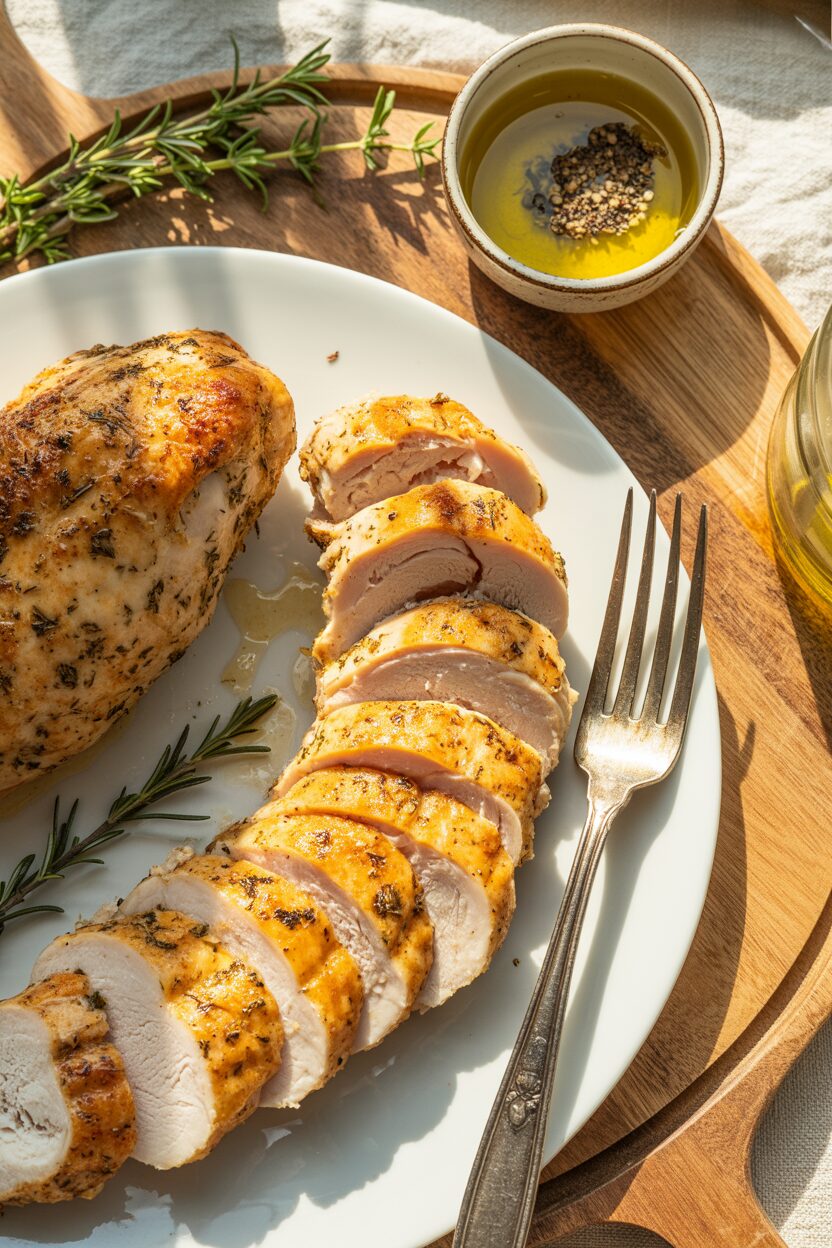
25 Air Fryer Chicken Breast (Fail-Proof Method)
Dry, rubbery chicken breast is the reason so many people think they hate chicken. But here’s the truth—you don’t hate chicken, you just haven’t cooked it right. The air fryer changes everything, and I’m about to show you exactly how to nail it every single time.
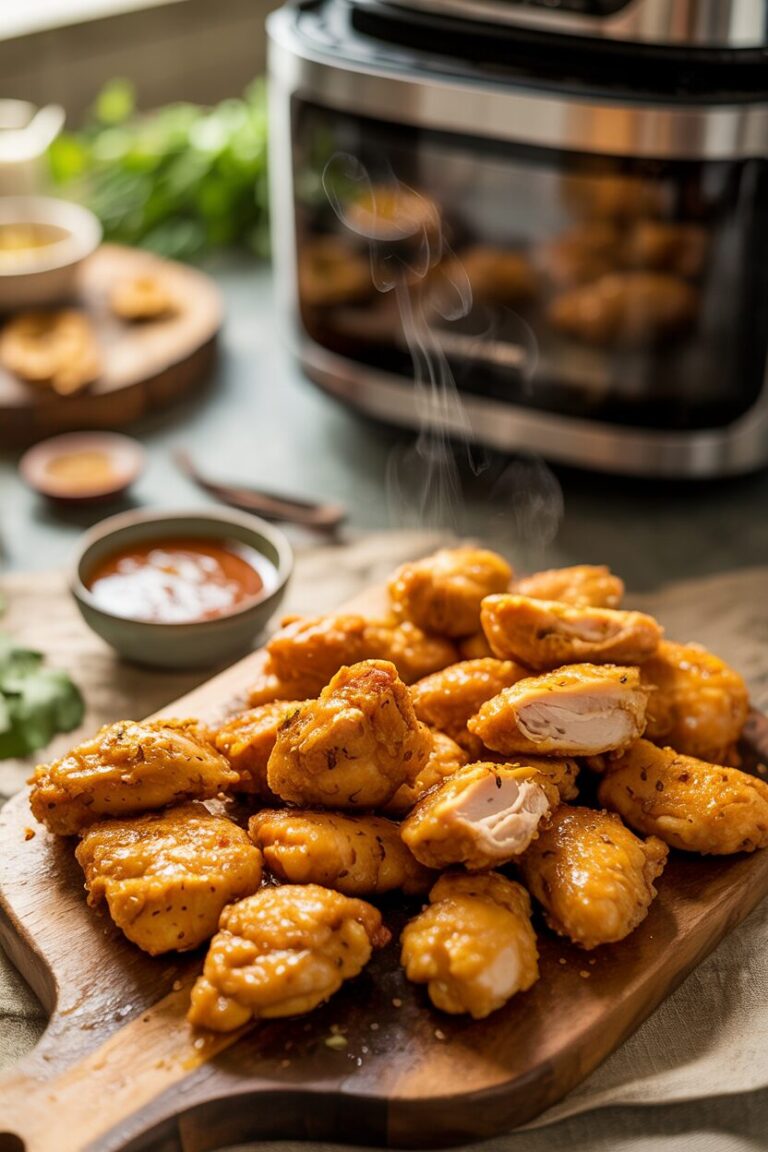
I’ve cooked hundreds of chicken breasts in my air fryer over the past few years, and honestly, I can’t remember the last time I bothered turning on my oven for chicken. The air fryer is faster, doesn’t heat up your entire kitchen, and produces chicken that’s actually juicy with a crispy exterior. Once you get the method down, you’ll wonder why you ever struggled with this.
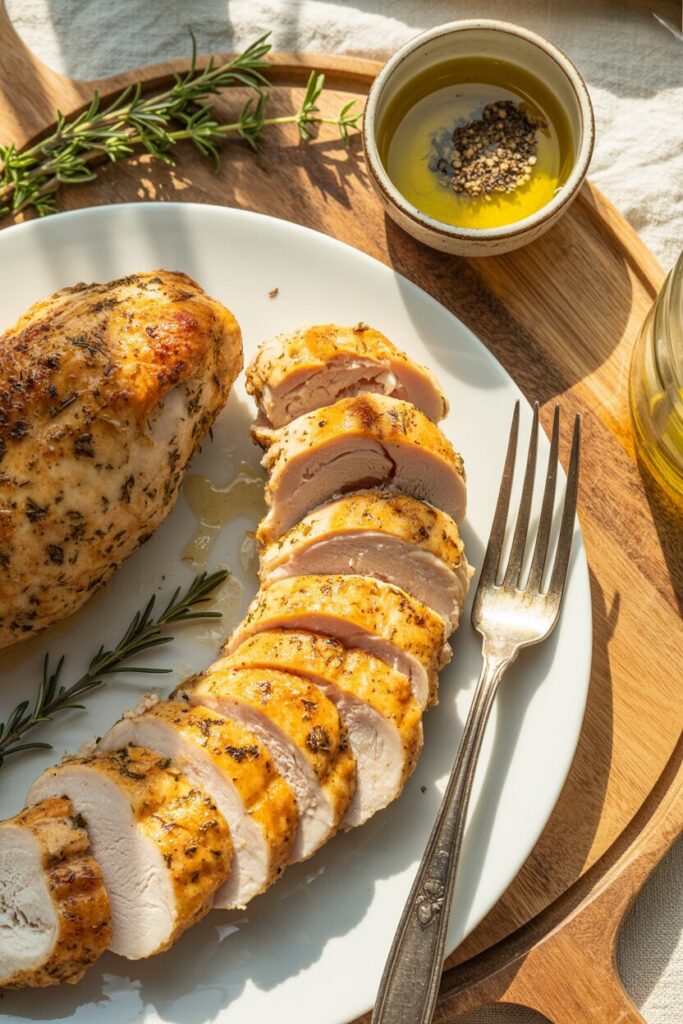
Why Air Fryer Chicken Breast Actually Works
Traditional oven-baked chicken takes forever and often dries out before it browns properly. Pan-frying gets messy and requires constant attention. The air fryer sits in this perfect middle ground where circulating hot air cooks the chicken quickly while creating that golden, slightly crispy exterior everyone loves.
The science is pretty straightforward. Air fryers use rapid air circulation technology that mimics deep frying but with minimal oil. For chicken breast specifically, this means the exterior gets that nice color and texture while the interior stays moist because it cooks through so quickly. You’re not giving the meat time to dry out, which is usually what happens in a slow oven.
A 100-gram serving of cooked chicken breast delivers about 31 grams of complete protein, meaning it contains all nine essential amino acids your body needs. That’s serious nutrition in a relatively low-calorie package, which is why chicken breast remains a staple for anyone paying attention to what they eat.
I use this 6-quart air fryer for most of my chicken—it fits two full breasts comfortably and preheats in about three minutes. The basket is nonstick and dishwasher safe, which honestly sold me on it.
The Base Method You Need to Master
Before we get into 25 different variations, you need the foundation. This is the basic method that works every single time, and everything else is just seasoning tweaks.
Start with room temperature chicken. Pull your chicken out of the fridge 15-20 minutes before cooking. Cold chicken straight from the fridge cooks unevenly—the outside overcooks while the inside stays raw. Just let it sit on the counter while you prep everything else.
Pat it completely dry. Use paper towels and really press down. Moisture is the enemy of browning, and you want that golden exterior. This step takes ten seconds but makes a massive difference.
Pound to even thickness. Chicken breasts are awkwardly shaped with one thick end and one thin end. If you don’t even them out, the thin part overcooks while you wait for the thick part to finish. Use a meat mallet or even a heavy pan to pound the thick end until the whole breast is roughly the same thickness—about 3/4 inch works perfectly.
Season generously. Salt and pepper at minimum, but we’ll get into way more interesting options in a minute. The key is to actually use enough seasoning—chicken breast is mild and needs flavor.
A light oil coating matters. You don’t need to drown it, but a thin coating of olive oil or avocado oil helps seasonings stick and promotes browning. I spray mine with this olive oil mister because it gives an even, controlled coating without overdoing it.
Cook at 375°F for 12-15 minutes. Flip halfway through. Use a meat thermometer to check for 165°F internal temperature. Don’t guess—chicken needs to hit that temp for safety, and a thermometer takes the guesswork out completely.
For more quick protein options that follow similar principles, check out [15-minute high-protein dinners] and [easy weeknight chicken recipes].
Classic Seasoning Combinations
Let’s start with the tried-and-true flavor profiles that work for basically any meal situation.
Simple Garlic and Herb
Olive oil, minced garlic, dried thyme, salt, and pepper. This is your go-to when you want chicken that pairs with literally anything. The garlic gets slightly caramelized in the air fryer, and the thyme adds just enough earthiness without overwhelming other flavors on your plate.
Rub the mixture all over the chicken, making sure to get into any crevices. Cook using the base method. The smell alone will have your entire household asking when dinner’s ready. Get Full Recipe.
Lemon Pepper
Fresh lemon zest, cracked black pepper, salt, and a squeeze of lemon juice. The citrus brightens everything up, and the pepper adds a nice kick without actual heat.
I like to add an extra squeeze of lemon after cooking too. It cuts through the richness of the chicken and makes even a basic meal feel a bit fancy. Works beautifully with roasted vegetables or a simple salad.
Italian Seasoning Blend
Equal parts dried oregano, basil, garlic powder, and onion powder, plus salt and pepper. This is basically the flavor profile of every Italian-American restaurant, and there’s a reason it’s popular—it just works.
Mix the seasonings together first, then coat your chicken. The herbs toast slightly in the air fryer and develop this deeper, more complex flavor than they have raw. Pair this with pasta or serve it sliced over a Caesar salad.
Cajun Spice
Paprika, cayenne pepper, garlic powder, onion powder, thyme, and oregano. Adjust the cayenne based on your heat tolerance—a little goes a long way.
This combo gives you that Louisiana-style flavor without needing a million ingredients. The paprika contributes color and a subtle sweetness that balances the heat. I use this Cajun seasoning blend when I’m feeling lazy because it’s already perfectly balanced.
Mediterranean Style
Dried oregano, garlic powder, dried basil, lemon zest, and olive oil. Similar to Italian but with a brighter, more herbaceous quality.
Serve this with tzatziki sauce or hummus on the side. The flavors are bold enough to stand up to strong accompaniments, and it’s light enough for summer meals when you don’t want anything heavy.
Looking for complete meal ideas? Try [Mediterranean chicken bowls] or [Greek-inspired dinner recipes] that pair perfectly with these flavors.
International Flavor Profiles
Once you’ve mastered the basics, these global-inspired seasonings will keep your chicken game interesting.
Tandoori Inspired
Yogurt, garam masala, turmeric, cumin, paprika, and cayenne. The yogurt acts as a marinade base and keeps the chicken incredibly tender.
Coat your chicken and let it sit for at least 30 minutes if you have time. The longer marination lets those spices really penetrate the meat. The turmeric gives it that signature golden color, and the garam masala brings warmth without being spicy.
Korean BBQ Style
Soy sauce, sesame oil, brown sugar, ginger, and garlic. The sugar caramelizes beautifully in the air fryer and creates this slightly sticky, savory-sweet coating.
Watch this one carefully during the last few minutes because the sugar can burn quickly. The result is worth it though—you get this glossy, deeply flavored chicken that tastes like takeout. Serve over rice with kimchi and cucumbers.
Mexican Lime and Chili
Fresh lime juice and zest, chili powder, cumin, garlic powder, and a pinch of oregano. The lime juice acts as a light marinade and the chili powder adds smoky depth.
This is perfect for taco Tuesdays or burrito bowls. I slice the chicken and pile it onto tortillas with all the usual suspects—cheese, sour cream, salsa, whatever you’ve got. The lime keeps everything bright and fresh tasting.
Thai-Inspired Lemongrass
Fish sauce, minced lemongrass, lime juice, garlic, and a bit of brown sugar. Lemongrass is surprisingly easy to find in most grocery stores now, and it adds this bright, citrusy, almost floral note.
The fish sauce might sound weird if you’re not used to it, but it adds incredible umami depth. Mix everything into a paste and rub it all over your chicken. Let it marinate for 20-30 minutes if possible. Get Full Recipe.
Moroccan Spice
Cumin, coriander, cinnamon, paprika, and turmeric. The cinnamon seems odd in a savory dish until you try it—it adds this subtle warmth that ties everything together.
This spice blend works especially well if you’re serving the chicken with couscous, quinoa, or roasted root vegetables. The flavors are complex but not overwhelming, and the turmeric gives you that beautiful golden color.
Sweet and Savory Glazes
Glazes add moisture and intense flavor. Apply them during the last 3-5 minutes of cooking to prevent burning.
Honey Mustard
Equal parts honey and Dijon mustard, plus a little olive oil to thin it out. The honey caramelizes, the mustard adds tang, and together they create this addictive sweet-savory situation.
Brush it on during the last four minutes of cooking. The glaze will bubble and darken slightly—that’s exactly what you want. Let the chicken rest for a few minutes after cooking so the glaze sets up a bit.
Teriyaki
Soy sauce, mirin, brown sugar, ginger, and garlic. You can buy bottled teriyaki, but making your own takes five minutes and tastes infinitely better.
Simmer the ingredients together in a small pot until slightly thickened. Brush onto your chicken during the last five minutes. The sauce will get sticky and glossy and coat the chicken in this beautiful lacquer.
Maple Balsamic
Balsamic vinegar, maple syrup, and a touch of Dijon mustard. The balsamic provides acidity, the maple adds sweetness, and the mustard ties it together.
This glaze reduces quickly in the air fryer, so watch it carefully. The combination is surprisingly sophisticated and makes even a random weeknight dinner feel a bit special. I brush it on with this silicone basting brush because it doesn’t absorb the sauce like traditional brushes do.
For breakfast-inspired chicken dishes, [savory breakfast proteins] shows how these glazes work in morning meals too.
Orange Ginger
Fresh orange juice, soy sauce, honey, and grated ginger. The orange provides brightness, the soy adds depth, and the ginger brings a subtle heat.
This is one of those glazes that smells incredible while it’s cooking. Your kitchen will smell like a really good Chinese restaurant. Serve the chicken sliced over fried rice or noodles.
BBQ (Obviously)
Your favorite BBQ sauce. Store-bought is fine—I won’t judge. Apply it in the last five minutes to prevent the sugars from burning.
The air fryer intensifies BBQ sauce in the best way possible. The edges caramelize and get slightly crispy while the center stays saucy. This is stupid-easy and hits that comfort food craving every time.
Marinades That Actually Make a Difference
Marinades need at least 30 minutes to work, but overnight is even better. These are worth the planning ahead.
Classic Buttermilk
Buttermilk, garlic powder, salt, and pepper. The acid in buttermilk tenderizes the chicken while adding a subtle tang.
This is the secret to actually juicy chicken breast. The buttermilk breaks down the proteins just enough to make the meat more tender without turning it mushy. Marinate for at least two hours, or overnight if you’re really planning ahead.
Asian Sesame
Soy sauce, sesame oil, rice vinegar, garlic, and ginger. The soy sauce adds that umami depth, sesame oil brings nuttiness, and vinegar provides acidity.
This marinade is incredibly versatile. Use it for stir-fries, grain bowls, or just serve the chicken as-is with steamed rice and vegetables. The flavors are assertive enough to stand alone.
Citrus Herb
Orange juice, lemon juice, olive oil, fresh thyme, and garlic. The citrus acids tenderize while the herbs infuse the meat with flavor.
Don’t marinate longer than six hours with this one—too much citrus will start to cook the meat and change the texture in weird ways. But within that window, you’ll get incredibly flavorful, tender chicken.
Yogurt and Spice
Plain yogurt, curry powder, cumin, coriander, and cayenne. Similar to the tandoori version but with a different spice profile.
The yogurt keeps everything moist and acts as a vehicle for the spices to penetrate the meat. This is especially good if you’re meal prepping because the chicken stays tender even after reheating.
Red Wine and Rosemary
Red wine, olive oil, fresh rosemary, garlic, and black pepper. This feels fancy but requires minimal effort.
The wine adds depth and a subtle fruity note. Use a wine you’d actually drink—cooking wine is trash and will make your chicken taste like trash. Marinate for at least two hours. Get Full Recipe.
Check out [marinated protein meal prep ideas] and [make-ahead chicken dinners] for more ways to plan your week.
Coating and Breading Options
Coatings add texture and help keep moisture locked in. These work beautifully in the air fryer.
Parmesan Crusted
Grated parmesan, panko breadcrumbs, garlic powder, and Italian seasoning. Press the mixture firmly onto the chicken so it adheres well.
The parmesan gets nutty and slightly crispy, while the panko provides crunch. Spray the coating lightly with oil before cooking to help it brown evenly. This is basically fancy chicken nuggets for adults.
Almond Flour Coating
Almond flour, garlic powder, paprika, and salt. This is naturally gluten-free and adds a subtle nutty flavor.
The almond flour browns beautifully and creates a coating that’s lighter than traditional breadcrumbs but still satisfying. Works great for keto or low-carb eating plans.
Cornmeal Crust
Cornmeal, flour, cayenne, salt, and pepper. The cornmeal gives you a slightly gritty texture that’s reminiscent of fried chicken.
This coating holds up incredibly well in the air fryer and gets seriously crispy. It’s not quite as crunchy as deep-fried, but it’s close enough without the mess and calories.
Everything Bagel Coating
Everything bagel seasoning pressed into a thin layer of cream cheese spread on the chicken. Yes, really.
Spread a thin layer of cream cheese on your chicken, then press everything bagel seasoning into it. The cream cheese acts as glue and adds richness, while the seasoning brings that addictive savory-garlicky-sesame flavor. This sounds weird until you try it, then you’ll make it constantly.
Ranch Seasoning Crust
Ranch seasoning mix combined with panko breadcrumbs and a bit of parmesan. Every kid loves this, and honestly, most adults do too.
The ranch seasoning brings all those herbs and spices that make ranch dressing so popular. Combined with the crunch of panko, you get this seriously crave-worthy coating. I keep this ranch seasoning powder stocked specifically for this recipe.
Stuffed Chicken Breast Variations
Stuffing chicken breast feels fancy but doesn’t actually require any special skills. Just butterfly the breast and go from there.
Spinach and Feta
Sautéed spinach, crumbled feta, garlic, and a squeeze of lemon. Butterfly your chicken breast, stuff it, and secure with toothpicks.
The feta melts slightly and gets creamy, while the spinach adds color and nutrition. This combo is Mediterranean-inspired and pairs perfectly with quinoa or roasted vegetables. Cook at 375°F for 18-20 minutes since the stuffing adds thickness.
Caprese Style
Fresh mozzarella, tomato slices, and basil. Keep it simple and let the ingredients shine.
The mozzarella melts beautifully, the tomato adds moisture and acidity, and the basil brings that classic Italian flavor. Drizzle with balsamic glaze after cooking for extra points.
Mushroom and Swiss
Sautéed mushrooms and Swiss cheese. This is classic steakhouse flavors applied to chicken.
Cook your mushrooms first to remove excess moisture—otherwise your stuffing will be soggy. The Swiss melts into the mushrooms and creates this rich, savory filling that’s absolutely satisfying. Get Full Recipe.
Bacon and Cheddar
Cooked bacon pieces and shredded cheddar. Sometimes the simple combinations are the best ones.
Make sure your bacon is crispy before adding it to the stuffing—you don’t want chewy bacon. The cheddar melts and gets gooey, and the bacon adds that smoky, salty element everyone loves.
Sun-Dried Tomato and Goat Cheese
Chopped sun-dried tomatoes, goat cheese, and fresh basil. This is sophisticated enough for dinner guests but easy enough for a Tuesday.
The sun-dried tomatoes are intensely flavorful and slightly sweet, while the goat cheese adds tang and creaminess. The combination feels upscale without requiring any advanced techniques.
If you’re into creative chicken preparations, [stuffed chicken variations] and [gourmet chicken recipes] have even more inspiration.
Troubleshooting Common Problems
Even with a fail-proof method, things can go wrong. Here’s how to fix the most common issues.
My Chicken Is Dry
You overcooked it. Chicken breast dries out fast, which is why the meat thermometer is non-negotiable. Pull it at 165°F exactly—carryover cooking will bring it up a few more degrees as it rests.
Also check that you’re not using chicken breasts that are too thick. Anything over an inch thick needs to be butterflied or pounded thinner. Thick chicken takes longer to cook through, giving the outside more time to dry out.
The Exterior Isn’t Browning
You probably didn’t use enough oil. Even though it’s an air fryer, you need some fat for browning. Spray or brush your chicken with oil before cooking.
Also make sure you’re not overcrowding the basket. Air needs to circulate around the chicken for it to brown properly. Cook in batches if necessary.
It’s Cooking Unevenly
Your chicken breasts are different sizes or thicknesses. Always pound them to even thickness before cooking.
Also make sure you flip halfway through cooking. The side closest to the heating element cooks faster, so flipping ensures even browning and cooking.
The Seasoning Isn’t Sticking
Pat your chicken dry first, then apply a thin layer of oil before adding seasonings. The oil acts as glue for dry seasonings.
For heavier coatings like breadcrumbs, dredge your chicken in flour first, then egg, then the coating. This creates layers that help everything adhere.
It’s Sticking to the Basket
Use parchment paper or spray the basket with oil before adding chicken. I use these pre-cut parchment liners specifically designed for air fryers—they have holes for air circulation and prevent sticking completely.
Don’t skip preheating the air fryer either. A hot basket helps prevent sticking right from the start.
Meal Prep and Storage Tips
Cooked chicken breast stores beautifully, making it perfect for meal prep.
Storage: Let chicken cool completely, then store in airtight containers in the fridge for up to four days. Don’t slice it until you’re ready to use it—whole pieces stay moister.
Freezing: Individually wrap cooked chicken breasts in plastic wrap, then place in a freezer bag. They’ll keep for up to three months. Thaw in the fridge overnight before reheating.
Reheating: Air fryer is ideal for reheating—it brings back some of that exterior crispness. Reheat at 350°F for 3-5 minutes, just until warmed through. Microwave works in a pinch but will make the chicken softer.
Batch Cooking: Cook multiple chicken breasts at once, season them differently, and you’ve got protein for the entire week. Sunday meal prep becomes stupid simple.
I meal prep in these glass containers with divided sections so I can keep chicken separate from sides until I’m ready to eat. Keeps everything fresher and prevents soggy vegetables.
For complete meal prep strategies, check out [weekly protein prep guide] and [batch cooking chicken].
Pairing Suggestions
Chicken breast is versatile, but some sides just work better than others.
Roasted Vegetables: Brussels sprouts, broccoli, bell peppers, or cauliflower. Toss them in the air fryer while your chicken rests.
Grain Salads: Quinoa, farro, or bulgur wheat tossed with herbs, lemon, and olive oil. The chicken adds protein to an otherwise carb-heavy dish.
Mashed Cauliflower: Lower-carb alternative to mashed potatoes that’s surprisingly creamy and satisfying.
Simple Salads: Caesar, Greek, or even just mixed greens with a good vinaigrette. Sliced chicken on top turns a side salad into a complete meal.
Rice and Grains: Brown rice, wild rice, or couscous. Keep it simple so the chicken’s flavors shine through.
The key is balancing the richness of the chicken with lighter, brighter sides. You want contrast in both flavor and texture.
Why This Method Works for Everyone
Whether you’re cooking for one or feeding a family, this fail-proof method scales perfectly. The cooking time barely changes whether you’re doing one breast or four—just make sure they’re not touching in the basket.
The air fryer democratizes good chicken breast. You don’t need culinary school or years of practice. You need a meat thermometer, 15 minutes, and basic seasonings. That’s it.
I’ve taught this method to friends who “can’t cook” and watched them turn out perfect chicken on their first try. The air fryer removes most of the variables that typically ruin chicken breast—no hot spots like in a pan, no temperature fluctuations like in an oven, no need to babysit anything.
Plus, the cleanup is minimal. One basket to wash instead of multiple pans. On busy weeknights when you barely have the energy to cook, that matters.
Related Recipes You’ll Love
Looking for more ways to use your perfectly cooked chicken? Here are some recipes that pair beautifully:
More Chicken Ideas:
- [air fryer chicken thighs]
- [crispy chicken tenders]
- [buffalo chicken recipes]
Complete Meal Options:
- [chicken grain bowls]
- [high-protein salads]
- [meal prep bowls]
The Bottom Line
Dry chicken breast is not inevitable—it’s just the result of bad technique. The air fryer removes most opportunities for error and produces consistently good results with minimal effort.
Master the base method first. Room temperature chicken, even thickness, proper seasoning, light oil coating, 375°F for 12-15 minutes, flipped halfway through, pulled at exactly 165°F. Everything else is just flavor variations on that foundation.
Research shows that chicken breast provides complete protein with all essential amino acids, supporting muscle growth, bone health, and overall wellbeing. At roughly 165 calories and 31 grams of protein per 100-gram serving, it’s one of the most efficient protein sources available.
These 25 variations give you enough options to cook chicken breast multiple times per week without getting bored. Pick a few favorites, rotate them regularly, and suddenly you’ve got a reliable protein source that actually tastes good.
Start simple. Try the garlic and herb version tonight. Once you see how easy it is, you’ll experiment with the others. And before you know it, dry chicken breast becomes a problem you used to have, not one you currently deal with.