
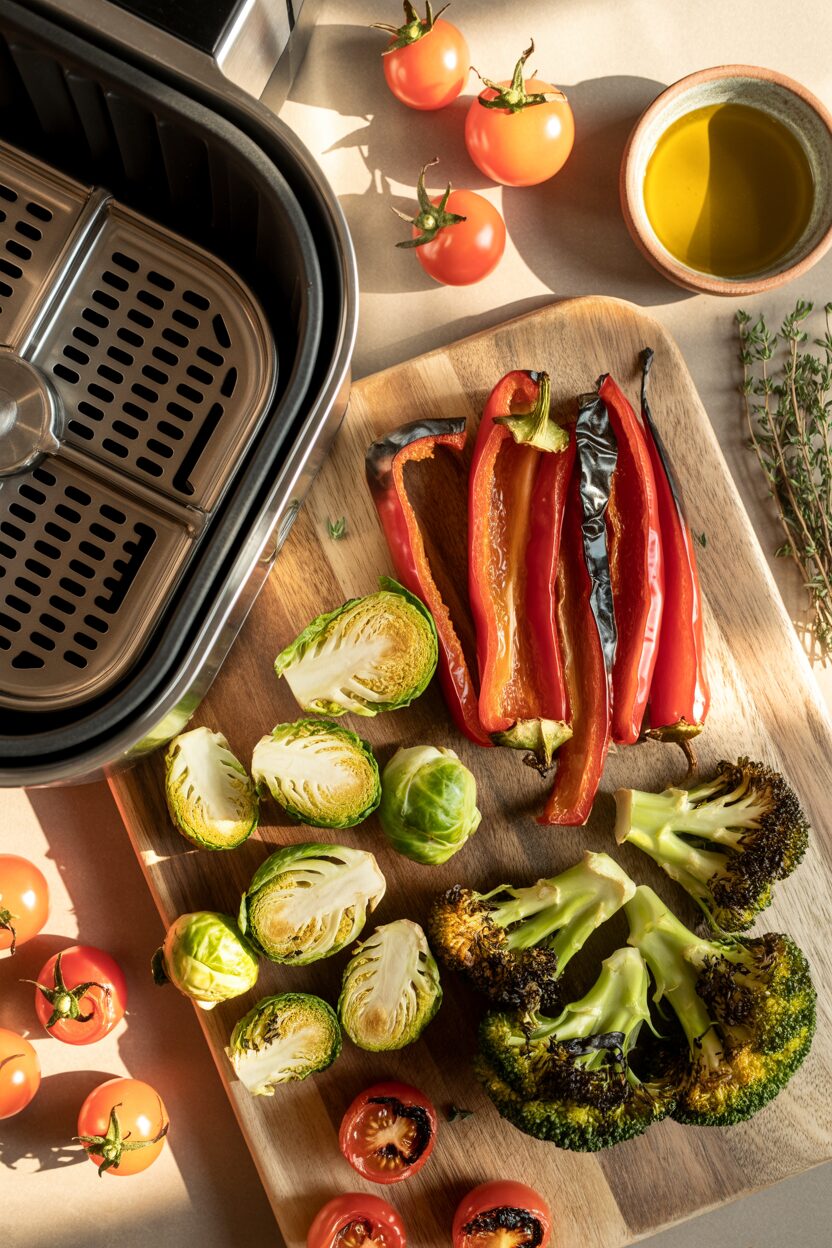
25 Air Fryer Veggies That Actually Taste Good
I’ve been watching my air fryer collect dust for months because I kept making the same boring stuff. Frozen french fries. More frozen french fries. Maybe some chicken nuggets for variety. Meanwhile, there’s a whole crisper drawer full of vegetables quietly decomposing while I pretend they don’t exist.
Then I actually tried roasting vegetables in the air fryer, and something clicked. They weren’t soggy. They weren’t bland. They had this crispy, caramelized exterior that made them taste like something you’d actually order at a restaurant. Who knew vegetables could be the star of the show instead of the sad side dish you push around your plate?
Here’s the truth: most people hate vegetables because they’ve only had badly cooked vegetables. Steam them into submission or boil them until they’re gray mush, and yeah, they’re going to taste like punishment. But crisp them up in an air fryer with some strategic seasoning, and suddenly you’re reaching for seconds.
Why Air Frying Changes the Vegetable Game
The air fryer works because it blasts vegetables with concentrated heat from all sides. That circulating hot air creates a crispy exterior while keeping the inside tender. It’s basically a tiny convection oven that heats up in three minutes instead of fifteen.
According to research from Harvard’s Nutrition Source, eating a variety of vegetables daily can reduce cardiovascular disease risk by up to 30%. But here’s the catch—you actually have to eat them. And let’s be real, nobody’s excited about steamed broccoli. Air-fried broccoli with crispy edges and a squeeze of lemon? That’s a different story.
The other advantage is speed. Most vegetables take 10-15 minutes in the air fryer. That’s faster than preheating a regular oven and waiting for a sheet pan to roast. When you’re hungry and tired after work, those extra 20 minutes matter. The difference between actually cooking vegetables and ordering pizza often comes down to convenience.
The Equipment That Makes It Easier
You obviously need an air fryer. If you don’t have one yet, this 6-quart air fryer with multiple racks gives you enough space to cook vegetables for a family without needing multiple batches. The basket-style ones work fine too—just don’t overcrowd them.
Get a good oil mister instead of using cooking spray. You control exactly how much oil goes on your vegetables, and you’re not dealing with propellants or weird chemicals. I use olive oil for most things, avocado oil when I’m going high-temperature.
These kitchen tongs with silicone tips are essential. Metal scratches the non-stick coating in your air fryer basket, and you’ll be tossing vegetables around a lot. The silicone won’t damage anything.
For prep work, this Y-peeler makes quick work of carrots and sweet potatoes. And if you’re meal prepping, these glass containers with dividers keep roasted vegetables fresh for days without getting soggy.
The Method That Works Every Time
Here’s the basic formula I use for pretty much every vegetable:
Cut everything roughly the same size. This isn’t rocket science, but if you have giant chunks next to tiny pieces, half will burn while the other half stays raw.
Toss with a tiny amount of oil. We’re talking a teaspoon or two for a whole batch. Just enough to coat everything lightly. Too much oil and they get soggy instead of crispy.
Season generously. Salt is non-negotiable. From there, it depends on what you’re making. Garlic powder, smoked paprika, Italian seasoning, cumin—whatever matches your flavor profile.
Don’t overcrowd the basket. Leave space for air to circulate. If you pile everything in there like you’re playing Tetris, nothing will crisp properly. Cook in batches if needed.
Shake or flip halfway through. Set a timer on your phone because you will forget. Most vegetables need to be turned once to brown evenly.
The 25 Vegetables That Actually Work
Let me break down which vegetables are worth your time and which ones you should skip. I’ve tested way too many to count, and these are the clear winners.
Brussels Sprouts
Cut them in half, face-side down in the basket. Cook at 375°F for 12-15 minutes. They get this insane caramelization on the flat side while staying tender inside. Toss with balsamic vinegar after cooking. Even Brussels sprouts haters come around on these. Get Full Recipe.
I make these at least twice a week. They’re that good. FYI, frozen Brussels sprouts work too—just add a couple minutes to the cooking time.
Broccoli Florets
Cut into similar-sized pieces. Air fry at 400°F for 8-10 minutes, shaking halfway. The tiny floret ends get crispy like chips while the stems stay tender. Hit them with lemon juice and parmesan right out of the basket.
These pair perfectly with garlic herb chicken thighs or lemon pepper salmon for a complete meal under 400 calories.
Cauliflower
This vegetable transforms in an air fryer. Cut into florets, season with curry powder or za’atar, cook at 380°F for 15 minutes. It gets golden and slightly sweet. You can also toss it in buffalo sauce after cooking for buffalo cauliflower bites that actually satisfy. Get Full Recipe.
Sweet Potato Fries
Cut into sticks about half an inch thick. Toss with a touch of oil and salt. Cook at 380°F for 15-18 minutes, flipping once. They’re crispy on the outside, fluffy inside. Way better than frozen fries and actually filling.
Pro tip: soak cut sweet potatoes in cold water for 30 minutes before cooking. It removes excess starch and makes them crispier.
Zucchini Rounds
Slice into half-inch rounds. Season with Italian herbs and garlic powder. Air fry at 400°F for 10 minutes. They develop these beautiful brown spots and don’t turn to mush like they do when you sauté them.
Bell Peppers
Cut into thick strips. Toss with olive oil and a pinch of cumin. Cook at 380°F for 10-12 minutes. They get slightly charred and sweet. Perfect for fajitas, grain bowls, or just eating straight from the basket.
If you’re looking for complete meals, try these chicken fajita bowls or sheet pan sausage and peppers for easy weeknight dinners.
Asparagus
Trim the woody ends, season with garlic and lemon zest, cook at 400°F for 7-9 minutes depending on thickness. The tips get crispy while the stalks stay tender. This is one of those vegetables that actually tastes expensive when you cook it right.
Green Beans
Toss with olive oil, salt, and garlic powder. Air fry at 380°F for 8-10 minutes, shaking once. They blister and char slightly. Way more interesting than the limp steamed version.
Cherry Tomatoes
Leave them whole, toss with a bit of oil and salt. Cook at 400°F for 8-10 minutes. They burst and release their juices, getting concentrated and sweet. Mix them into pasta, top your caprese chicken, or eat them as a side.
Mushrooms
Quarter them if they’re large, leave button mushrooms whole. Season with thyme and garlic. Cook at 375°F for 10-12 minutes. They get meaty and concentrated, not rubbery like they can be when sautéed in too much liquid.
Carrots
Cut into sticks or rounds about the same size. Toss with honey, olive oil, and a pinch of cumin. Air fry at 380°F for 12-15 minutes. They caramelize beautifully and taste almost candied without being dessert.
For more roasted veggie options, check out these honey-glazed root vegetables or balsamic roasted carrots.
Butternut Squash
Peel and cube into one-inch pieces. Toss with olive oil, cinnamon, and a tiny bit of maple syrup. Cook at 375°F for 15-18 minutes. Gets crispy on the edges, soft and sweet inside. This is fall comfort food that happens to be healthy.
Eggplant
Cut into half-inch rounds or cubes. Salt them and let sit for 15 minutes to draw out moisture, then pat dry. Season with za’atar or Italian herbs. Air fry at 380°F for 12-15 minutes. They get tender without being mushy, and the bitter taste disappears.
Beets
Peel and cut into wedges. Toss with olive oil and thyme. Cook at 375°F for 20-25 months. They get sweet and earthy. Just warning you—they’ll stain everything they touch, including your cutting board and probably your fingers.
Radishes
Halve them, toss with olive oil and salt. Cook at 400°F for 10-12 minutes. This is wild—they lose most of their spiciness and taste almost like roasted potatoes. Skeptics become believers with roasted radishes.
Snap Peas
Keep them whole. Light toss of oil, salt, maybe some sesame seeds. Air fry at 400°F for 6-8 minutes. They stay crisp-tender and sweet. Great as a snack or mixed into Asian-inspired stir-fry bowls.
Okra
Cut off the stems, leave them whole or halve lengthwise. Season with curry powder or Cajun seasoning. Cook at 400°F for 10-12 minutes. The slime factor disappears completely. They get crispy on the outside and are actually enjoyable to eat.
Cabbage Wedges
Cut into thick wedges keeping the core intact so they hold together. Brush with olive oil, season with salt and pepper. Air fry at 375°F for 15-18 minutes. The edges get crispy and charred while the inside steams. They’re like cabbage steaks.
Turnips
Peel and cube them. Toss with olive oil and rosemary. Cook at 380°F for 15-18 minutes. They taste similar to potatoes but with a slightly sharper flavor. Good for people trying to cut carbs but missing roasted potatoes.
Parsnips
Cut into sticks like fries. Season with salt, pepper, and a touch of honey. Air fry at 380°F for 12-15 minutes. They get sweet and nutty, almost like a vegetable dessert. Pair them with herb-roasted chicken or pork tenderloin for a complete meal.
Fennel
Cut into thick slices. Drizzle with olive oil and lemon juice. Cook at 375°F for 12-15 minutes. The licorice flavor mellows out and gets sweet. Even people who claim to hate fennel usually like it this way.
Kale Chips
Remove stems, tear into chip-sized pieces. Toss with minimal oil—too much makes them greasy. Season with salt or nutritional yeast. Air fry at 350°F for 5-7 minutes, watching carefully. They go from perfect to burnt in about 30 seconds, so stay nearby.
For more leafy green ideas, try these massaged kale salads or crispy kale and quinoa bowls.
Acorn Squash
Cut in half, scoop out seeds, slice into half-moons about half an inch thick. Brush with olive oil, sprinkle with cinnamon and a touch of brown sugar. Cook at 375°F for 15-18 minutes. The edges caramelize and it tastes like pie filling.
Leeks
Clean thoroughly—they hide dirt between layers. Cut into rounds. Toss with olive oil and thyme. Air fry at 375°F for 10-12 minutes. They get crispy and sweet, almost onion ring-like without the breading.
Romanesco
This fractal-looking vegetable is basically fancy cauliflower. Break into florets, season with garlic and lemon zest. Cook at 380°F for 12-15 minutes. It has a nuttier flavor than regular cauliflower and looks impressive on the plate.
Red Cabbage
Shred it or cut into wedges. Toss with apple cider vinegar, olive oil, and caraway seeds. Air fry at 375°F for 12-15 minutes. According to research on vegetable antioxidants, red cabbage is particularly high in anthocyanins that may support heart health. Plus it turns this gorgeous purple color when cooked. Get Full Recipe.
The Vegetables That Don’t Work
Not everything belongs in an air fryer. I’ve made these mistakes so you don’t have to.
Leafy greens like spinach just fly around and burn. Don’t bother.
Wet vegetables like cucumbers or celery turn into weird, rubbery versions of themselves. Some things are better raw.
Whole potatoes take forever and don’t cook evenly. Cut them up if you’re going to air fry them.
Corn on the cob works, but it takes 20 minutes and you have to rotate it constantly. Just boil it or grill it.
Seasoning Combinations That Work
Plain salt and pepper gets boring fast. Here are the combinations I rotate through:
Mediterranean: Olive oil, garlic powder, oregano, lemon zest. Works on basically everything but especially good on zucchini, tomatoes, and eggplant.
Indian-inspired: Curry powder, cumin, turmeric, touch of garam masala. Killer on cauliflower, potatoes, and chickpeas.
Smoky: Smoked paprika, garlic powder, tiny bit of cayenne. Makes Brussels sprouts, sweet potatoes, and carrots taste like they came off a grill.
Asian-style: Sesame oil (just a tiny bit), soy sauce, ginger powder, garlic. Great on broccoli, green beans, and snap peas.
Italian: Olive oil, Italian seasoning, garlic powder, parmesan. Works on pretty much any vegetable.
Everything Bagel: Yeah, just dump everything bagel seasoning on vegetables. It works way better than it should. I use this everything bagel seasoning constantly.
Meal Prep and Storage
Air-fried vegetables actually reheat pretty well, which makes them perfect for meal prep. Here’s what works:
Cook vegetables on Sunday, store them in airtight glass containers in the fridge. They’ll last 4-5 days. Harder vegetables like Brussels sprouts and cauliflower keep better than softer ones like zucchini.
To reheat, pop them back in the air fryer at 350°F for 3-4 minutes. They crisp back up nicely. Microwave makes them soggy—don’t do it.
For variety throughout the week, prep different vegetables and pair them with these easy protein options or quick grain bowls.
You can also freeze some air-fried vegetables. Butternut squash, sweet potato fries, and cauliflower freeze well. Spread them on a baking sheet to freeze individually first, then transfer to freezer bags. They’ll last up to 3 months.
Making Vegetables Actually Satisfying
The reason most people fail at eating more vegetables isn’t willpower—it’s that a plain pile of vegetables isn’t a meal. You need to pair them with something substantial.
Add a protein source. Air-fried vegetables with grilled chicken, baked salmon, or even a fried egg turns them from side dish to actual dinner. Check out these air fryer chicken recipes or quick salmon variations for protein ideas.
Include healthy fats. A drizzle of good olive oil, some toasted nuts, or a sprinkle of cheese makes vegetables more satisfying and helps you absorb fat-soluble vitamins.
Consider carbs strategically. Serving roasted vegetables over quinoa, brown rice, or with a piece of crusty bread makes the meal more filling without going overboard on calories.
For complete balanced meals, try these Buddha bowl combinations or sheet pan dinner ideas that incorporate vegetables as main components.
The Nutrition Angle Without Being Preachy
Look, I’m not here to lecture you about eating your vegetables. You already know they’re good for you. But since we’re talking about air frying specifically, there are some advantages worth mentioning.
Air frying uses way less oil than traditional frying—we’re talking about 1-2 teaspoons instead of cups. That cuts calories significantly while still creating that satisfying crispy texture.
Different colored vegetables provide different nutrients. Orange vegetables like carrots and sweet potatoes are high in beta-carotene. Dark leafy greens like kale provide vitamin K and iron. Red and purple vegetables like beets and red cabbage contain anthocyanins that act as antioxidants.
The key is variety. Eating the same three vegetables on repeat won’t give you the full spectrum of nutrients. Rotate through different options to cover your bases. That’s where having 25 different options comes in handy—you’re less likely to get bored.
IMO, the best thing about air-fried vegetables is that they make eating healthy feel less like a chore. When vegetables actually taste good, you don’t need to force yourself to eat them. They become something you want, not something you should eat.
Troubleshooting Common Problems
Everything comes out soggy: You’re using too much oil or overcrowding the basket. Use less oil and cook in batches.
Vegetables burning on the outside but raw inside: Temperature is too high or pieces are cut too large. Lower the temp by 20 degrees and cut everything smaller.
Nothing browns: Not enough oil or temperature is too low. Add a light mist of oil and increase temp by 25 degrees.
Vegetables stick to the basket: Use parchment liners designed for air fryers or make sure you’re using enough oil. Also, let vegetables develop a crust before trying to flip them—they’ll release more easily.
Uneven cooking: Cut everything the same size. This is the most common mistake. A tiny piece of broccoli and a giant chunk of cauliflower won’t cook at the same rate.
Beyond Basic Vegetables
Once you’ve mastered the basics, start getting creative. Toss roasted vegetables with sauces after cooking. Mix them into grain bowls. Top them on pizza. Blend roasted red peppers and tomatoes into pasta sauce.
Make vegetable chips out of almost anything. Beets, sweet potatoes, zucchini—all of them can be sliced thin and crisped into chips. Season them however you want.
Combine vegetables in interesting ways. Roast sweet potatoes with Brussels sprouts. Mix cauliflower with broccoli. Add cherry tomatoes to asparagus in the last few minutes of cooking.
For more creative vegetable applications, check out these veggie-loaded pasta dishes or creative grain bowl combinations.
The Time Factor Nobody Talks About
The actual cooking time for air fryer vegetables is quick, but there’s still prep involved. You need to wash, peel, and chop everything. That’s where having the right tools matters.
This mandoline slicer makes uniform slices in seconds, though watch your fingers—they’re sharp. For bulk chopping, a food processor saves tons of time.
You can also buy pre-cut vegetables. Yeah, they’re more expensive, but if the choice is between pre-cut broccoli and not cooking vegetables at all, buy the pre-cut stuff. Perfect is the enemy of done.
Washing and storing vegetables as soon as you get home from the grocery store makes everything easier during the week. I wash everything Sunday afternoon, chop what I can, and store it in containers. When it’s time to cook, I just grab and go.
Related Recipes You’ll Love
Looking for more ways to incorporate these air-fried vegetables into complete meals? Here are some recipes that work perfectly with the vegetables we’ve covered:
Complete Meal Ideas:
- Air fryer protein bowls with roasted veggies
- One-pan chicken and vegetable dinners
- Sheet pan meals under 400 calories
Side Dish Variations:
- Herb-roasted vegetable medleys
- Spicy roasted chickpeas and vegetables
- Parmesan-crusted veggie fries
Creative Applications:
- Vegetable-loaded frittatas
- Buddha bowls with tahini dressing
The Bottom Line on Air Fryer Vegetables
Air-fried vegetables aren’t going to revolutionize your life or solve all your problems. But they make eating vegetables significantly less painful, which is half the battle.
The key advantages are speed, convenience, and the fact that they actually taste good. When something takes 12 minutes and doesn’t require hovering over a hot stove, you’re more likely to do it consistently. And consistency matters more than perfection.
Start with two or three vegetables that sound appealing. Master those, then branch out. You don’t need to air fry every vegetable on this list. Find a rotation that works for you and stick with it until it becomes automatic.
The goal isn’t to become someone who only eats vegetables. It’s to make vegetables a normal, enjoyable part of your meals instead of something you avoid or force yourself to eat out of obligation. Air frying removes enough barriers—time, technique, taste—that eating vegetables becomes the easier choice.
That air fryer sitting on your counter isn’t just for frozen food and leftover pizza. Chuck some Brussels sprouts in there and see what happens. Worst case, you’ve got a batch of vegetables to eat with dinner. Best case, you’ve found a cooking method that makes eating healthy feel achievable instead of exhausting.
And honestly, once you taste Brussels sprouts with crispy caramelized edges, there’s no going back to the mushy boiled version. Trust me on this one.