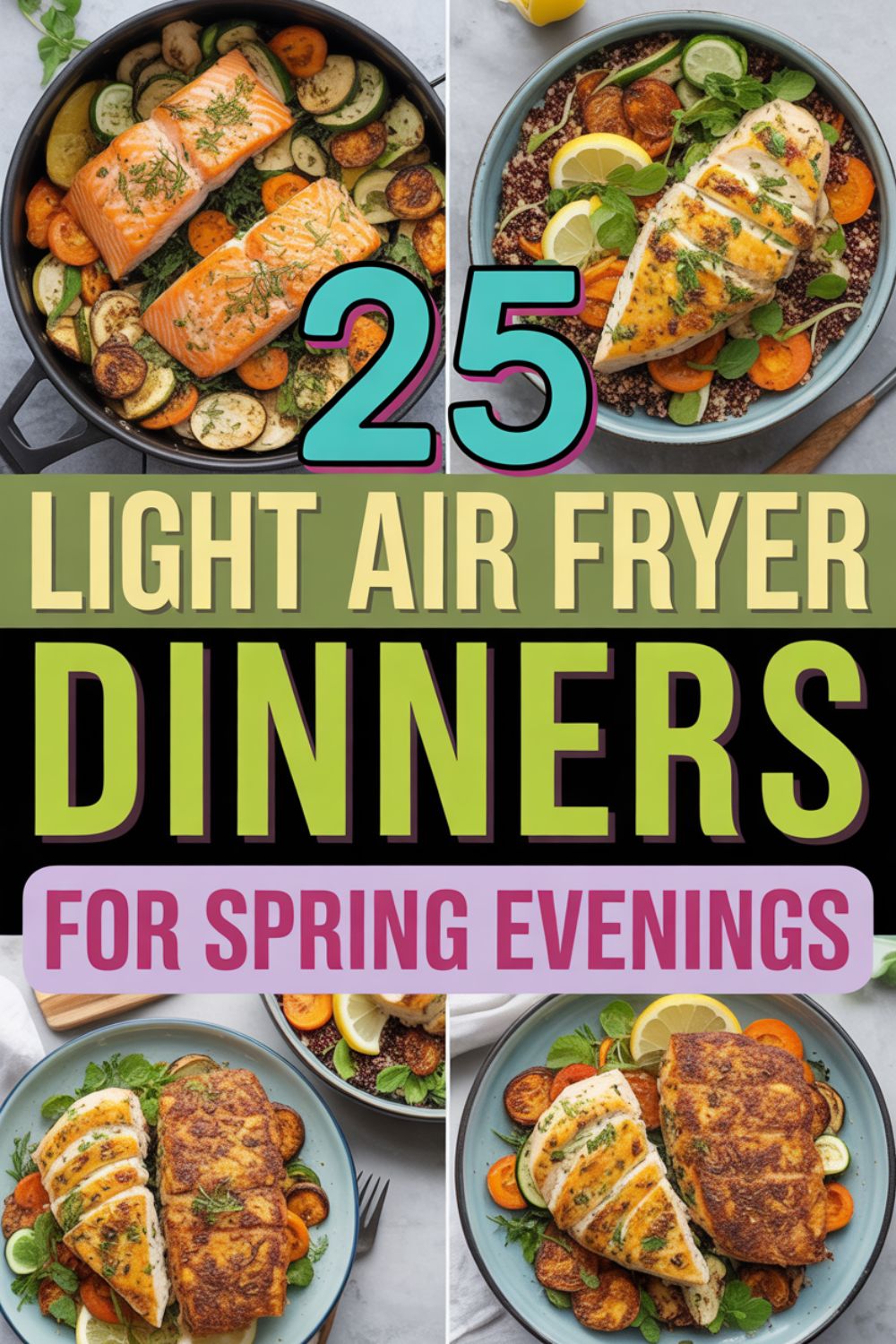
25 Light Air Fryer Dinners for Spring Evenings
Look, I’m not going to pretend spring is all sunshine and perfectly planned meals. Some nights you’re staring into your fridge at 7 PM wondering why you thought three bunches of asparagus was a good idea. But here’s the thing about spring evenings—they deserve food that feels as light and fresh as that first warm breeze that finally convinced you to crack a window.
Your air fryer isn’t just for reheating last night’s pizza or making frozen fries crispy again. When spring vegetables start showing up at the market looking all perky and vibrant, that little countertop convection beast becomes your secret weapon for dinners that don’t leave you feeling stuffed or spending an hour doing dishes.
I’ve spent the past few weeks testing lighter air fryer recipes that actually work for spring—no heavy breading, no drowning everything in oil, just clean flavors that let seasonal produce shine. These aren’t complicated. Most take under 30 minutes. And honestly? They taste way better than they have any right to for the minimal effort involved.
Why Air Fryers Actually Make Sense for Spring Cooking
Spring is that weird transitional season where it’s still chilly enough at night to want something warm, but you’re absolutely done with heavy winter casseroles. Air fryers solve this better than you’d think. According to Cleveland Clinic, air frying uses significantly less oil than traditional frying methods, which means lighter meals that won’t leave you feeling sluggish.
The real advantage? Speed and temperature control. You’re not heating up your whole kitchen like you would with an oven, and everything cooks faster. When those first warm evenings hit and you’d rather be outside than hovering over a stove, this matters.
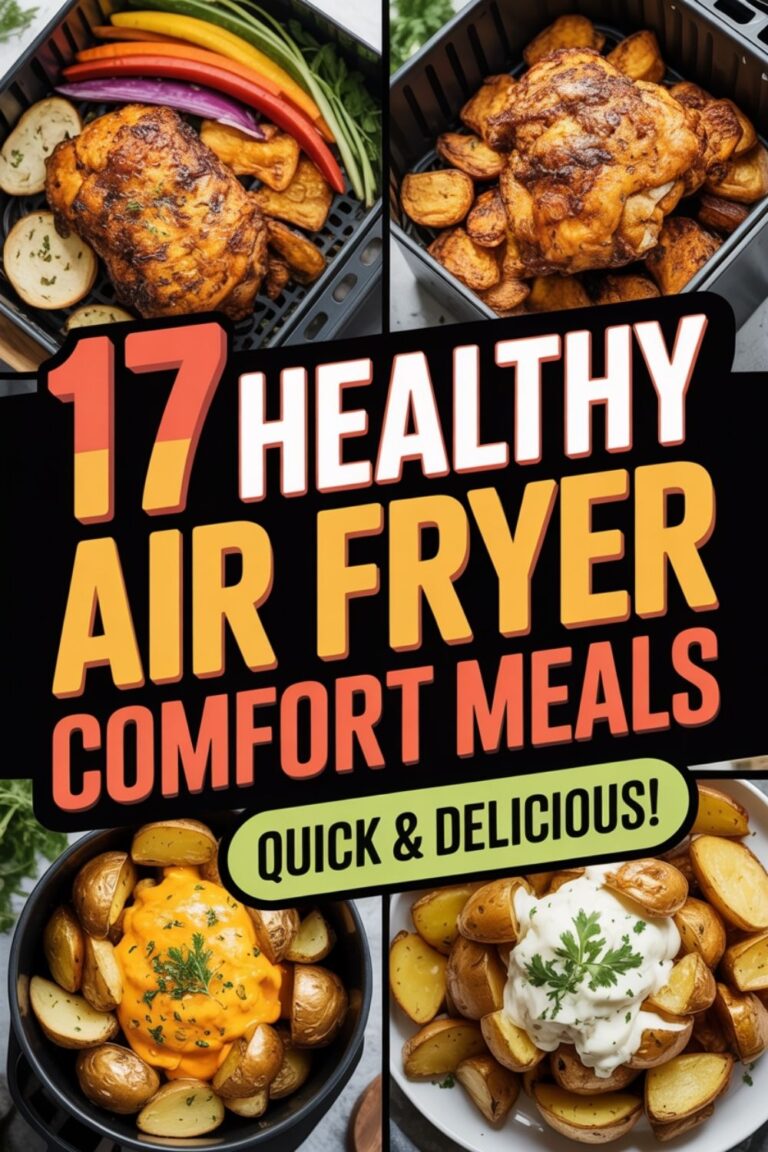
Plus, let’s be real—vegetables that would get soggy in a microwave or take forever to roast in the oven come out beautifully in an air fryer. Crispy edges, tender centers, no babysitting required. I use this compact air fryer basket that’s perfect for smaller portions and doesn’t take up half my counter.
Understanding Spring Vegetables and Air Fryer Compatibility
Not all vegetables are created equal when it comes to air frying. Spring brings some of the best candidates: asparagus, snap peas, baby carrots, zucchini, and tender greens. According to Forks Over Knives, spring vegetables like asparagus are especially nutrient-dense when they’re harvested fresh during their peak season.
The trick with spring produce is that it’s more delicate than winter root vegetables. You want heat that crisps without completely drying things out. That’s where the air fryer’s circulating hot air really shines—it mimics roasting but cuts the time in half.
Here’s what I’ve learned works best: cut vegetables into similar sizes, give them a light toss with just enough oil to coat (we’re talking a teaspoon, not a pour), and don’t overcrowd the basket. That last one’s crucial. Air needs to circulate, or you’ll end up with steamed vegetables instead of the crispy-tender texture you’re after.
For prepping vegetables efficiently, I swear by this mandoline slicer—it makes quick work of zucchini and carrots without the risk of losing a fingertip. Just use the guard. Please use the guard.
The 25 Light Air Fryer Dinners That Actually Deliver
Protein-Focused Spring Dinners
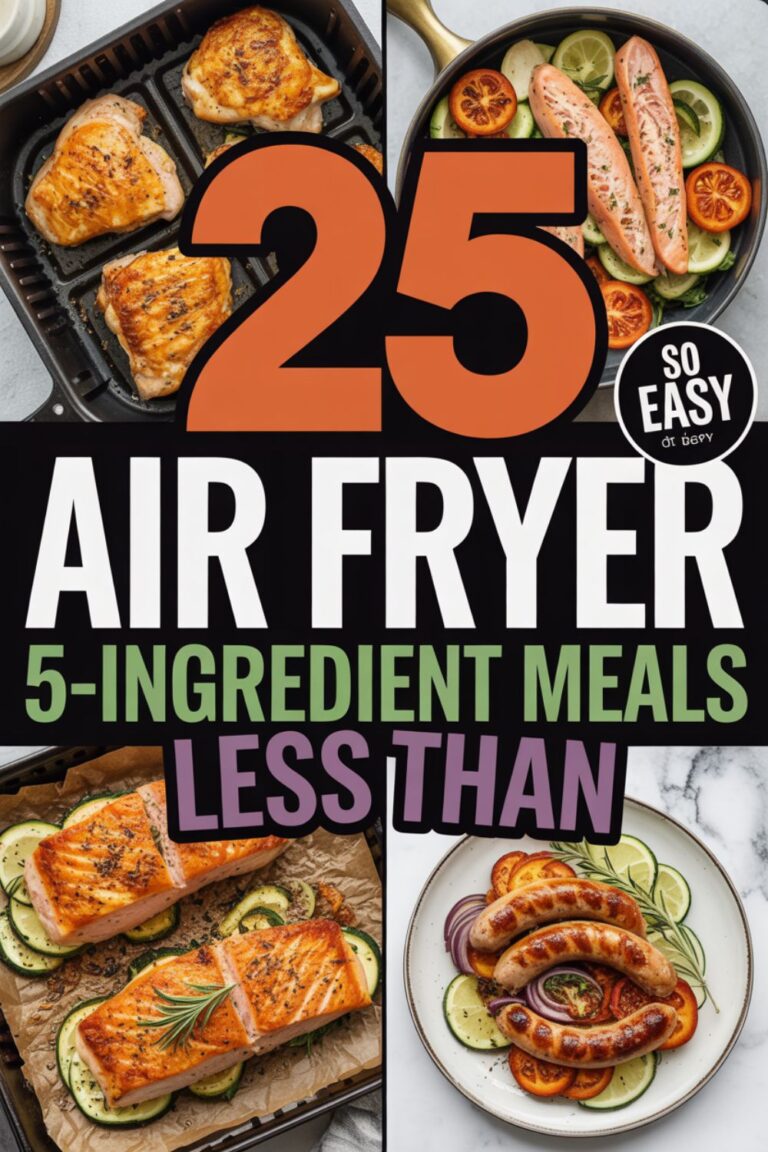
Let’s start with the meals that center around lean proteins. Spring is perfect for lighter proteins like chicken breast, fish, and plant-based options that don’t weigh you down. These air fryer chicken recipes prove you don’t need heavy breading to get satisfying, crispy results. Get Full Recipe.
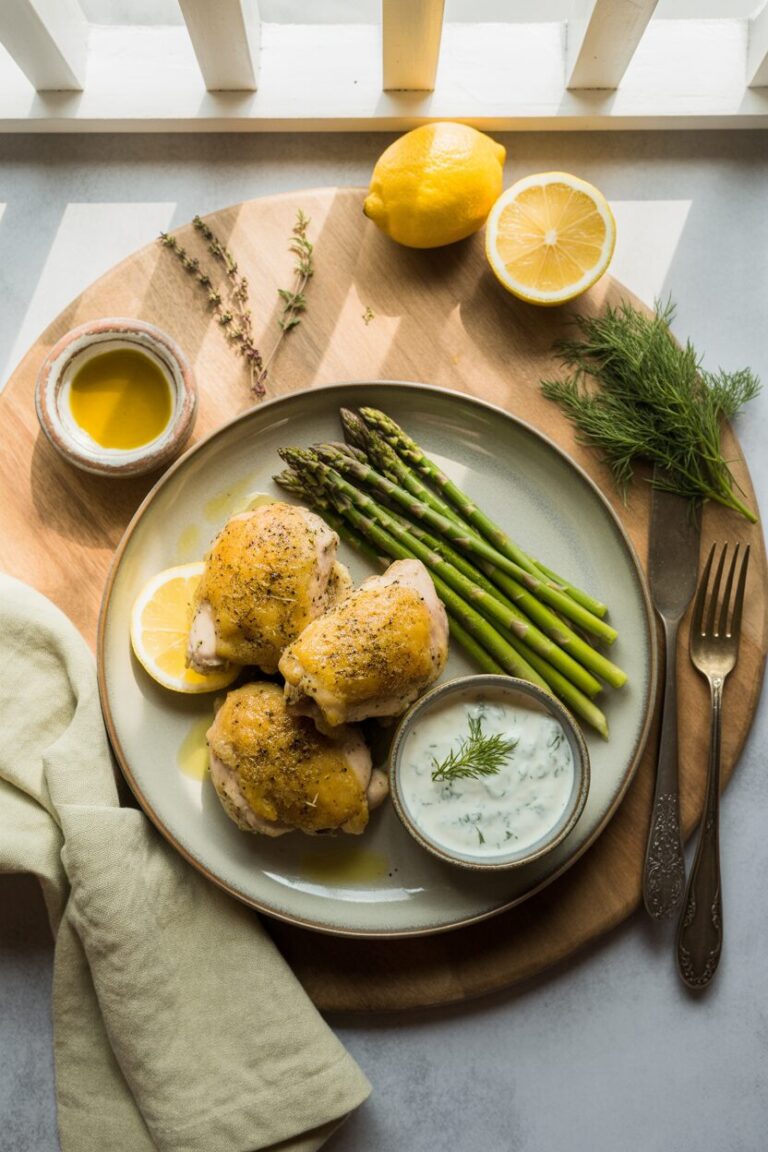
Lemon-Herb Chicken with Asparagus is probably my most-made dinner right now. Toss chicken breasts with lemon zest, fresh thyme, a drizzle of olive oil, salt, and pepper. Air fry at 375°F for 18-20 minutes, adding asparagus spears for the last 8 minutes. The asparagus gets these beautifully charred tips while the chicken stays juicy. Simple but somehow feels fancy enough for company.
Garlic-Ginger Salmon with Snap Peas takes about 15 minutes total. I make a quick marinade with grated ginger, minced garlic, soy sauce, and a touch of honey. The salmon cooks at 400°F for 10 minutes while snap peas get tossed with sesame oil and air fried alongside for the last 5 minutes. If you’re into quick, healthy meals that don’t taste like diet food, check out these air fryer salmon bites for more inspiration.
I use these silicone air fryer liners for fish—they’re reusable, nothing sticks, and cleanup is basically nonexistent. Game changer for anything delicate.
For more protein-packed ideas that work perfectly in spring, these high-protein air fryer bowls offer complete meals with minimal ingredients. Many feature seasonal vegetables and lean proteins that cook beautifully together.
Vegetable-Forward Light Dinners
Crispy Chickpea and Vegetable Bowls have become my go-to meatless Monday solution. Drain and dry canned chickpeas thoroughly, toss with cumin, smoked paprika, and olive oil, then air fry at 380°F for 15 minutes, shaking halfway through. While those crisp up, I air fry whatever spring vegetables I have—usually zucchini, bell peppers, and cherry tomatoes. Serve over quinoa with a tahini-lemon drizzle. These crispy air fryer chickpeas use even fewer ingredients if you want to keep it super simple.
Stuffed Bell Peppers with Spring Vegetables work surprisingly well in the air fryer. Halve bell peppers, fill with a mixture of cooked quinoa, diced zucchini, corn, black beans, and feta, then air fry at 360°F for 18 minutes. The peppers get tender without turning to mush, and the tops get slightly charred. Way faster than baking them. For more stuffed pepper variations, try these light and easy stuffed peppers.
Speaking of vegetables, if you’re wondering what actually tastes good from an air fryer, these air fryer vegetables will change your mind about whether air-fried vegetables can compete with roasted ones.
Quick Assembly Dinners
Air Fryer Fajita Bowls solve the “what’s for dinner” crisis faster than you can order takeout. Slice bell peppers and onions, toss with fajita seasoning and a tiny bit of oil. Air fry at 380°F for 12 minutes. Meanwhile, season chicken strips or shrimp and cook them in a second basket layer or do them after the vegetables. Serve with whatever toppings you have—avocado, cilantro, lime, salsa. These air fryer taco bowls use a similar concept with different seasonings.
I keep this set of fajita seasoning blends stocked because pre-mixed spices mean one less thing to think about on busy nights. Sometimes convenience wins, and that’s okay.
Mediterranean Chicken and Vegetables brings together cherry tomatoes, zucchini, red onion, and chicken breast with oregano, garlic, and lemon. Everything goes in together at 375°F for 20 minutes. The vegetables basically make their own sauce as the tomatoes burst and mingle with the chicken juices. Serve with crusty bread to soak it all up.
When you need dinner fast but still want it to feel complete, these easiest air fryer dinners are genuinely ready in 10 minutes. Perfect for those evenings when even 20 minutes feels like too long.
Light Comfort Food Reimagined
Turkey Meatballs with Zucchini Noodles gives you that comforting meatball dinner without the heaviness. Mix ground turkey with breadcrumbs, parmesan, egg, and Italian herbs. Form into meatballs and air fry at 380°F for 12-14 minutes. While they cook, spiralize zucchini and quickly air fry it for 5 minutes just to warm through and remove excess moisture. Toss with marinara and top with the meatballs.
FYI, if you don’t have a spiralizer, this handheld vegetable spiralizer costs less than takeout for two and works perfectly fine. The fancy countertop ones are nice but not necessary.
Cauliflower Rice Stir-Fry might sound like deprivation food, but hear me out. Fresh cauliflower rice (not the frozen stuff) actually gets pleasantly crispy in an air fryer. Pulse cauliflower florets in a food processor, spread in your air fryer basket, and cook at 350°F for 10 minutes, stirring once. Add whatever spring vegetables you want—snap peas, carrots, edamame—along with scrambled eggs, soy sauce, and sesame oil. It’s lighter than regular fried rice but somehow doesn’t feel like a compromise.
Kitchen Tools That Make These Recipes Easier
After making these dinners on repeat, here are the tools that actually earned their counter space:
Asian-Inspired Light Dinners
Miso-Glazed Cod with Baby Bok Choy sounds restaurant-fancy but takes about 20 minutes. Whisk together white miso paste, rice vinegar, a touch of honey, and grated ginger. Brush over cod fillets and air fry at 380°F for 10-12 minutes. Halve baby bok choy lengthwise, brush with sesame oil, and add to the basket for the last 6 minutes. The miso glaze caramelizes beautifully without any fuss.
Teriyaki Chicken Lettuce Wraps give you all the satisfaction of takeout with a fraction of the calories. Dice chicken thighs, marinate in teriyaki sauce, air fry at 400°F for 12 minutes until crispy. Serve in butter lettuce leaves with shredded carrots, cucumber, and a sriracha mayo drizzle. The contrast between crispy chicken and cool, crunchy lettuce is perfect for warm evenings.
Mediterranean-Style Spring Dinners
Greek Chicken with Roasted Vegetables combines chicken breasts marinated in lemon, oregano, and garlic with red onions, bell peppers, and cherry tomatoes. Air fry at 375°F for 22 minutes, stirring vegetables halfway through. Serve with a dollop of tzatziki and some fresh dill. It’s one of those meals that tastes way more complicated than the effort involved.
Herb-Crusted Tilapia with Lemon-Garlic Broccoli works when you need something light but still satisfying. Press a mixture of panko, parmesan, and fresh herbs onto tilapia fillets. Air fry at 380°F for 10 minutes. Toss broccoli florets with lemon juice and minced garlic, add them to the basket for the last 8 minutes. The broccoli gets these crispy, almost charred edges that are addictive.
If you’re specifically looking for lighter options with controlled portions, these 5-ingredient meals under 400 calories hit that sweet spot of simple and satisfying without feeling restrictive.
Making Air Fryer Spring Dinners Work for Your Schedule
The best air fryer dinners are the ones you’ll actually make. Here’s what works for me:
Sunday prep: Wash and chop vegetables, portion proteins into zip-top bags with marinades. During the week, everything goes straight from fridge to air fryer. No thinking required.
I store prepped vegetables in these glass meal prep containers—they keep everything fresh longer than plastic bags, and you can see what you have without opening everything.
Batch cooking: Air fryer vegetables reheat surprisingly well. Make double portions of roasted vegetables on Sunday, use them throughout the week in different combinations. Monday’s roasted asparagus becomes Wednesday’s frittata filling. Tuesday’s bell peppers go into Thursday’s quesadillas.
Keep it simple: IMO, the best spring dinners are the ones with 5-7 ingredients max. More than that and it starts feeling like work instead of a quick weeknight dinner. These 5-ingredient air fryer breakfast ideas prove that minimal ingredients doesn’t mean minimal flavor—same principle applies to dinner.
Temperature and Timing Guide for Spring Vegetables
Getting the timing right makes the difference between perfectly crispy and disappointingly soggy. Here’s what actually works:
- Asparagus: 8-10 minutes at 400°F, shake halfway through
- Snap peas: 5-7 minutes at 375°F
- Baby carrots: 12-15 minutes at 380°F
- Zucchini (sliced): 10-12 minutes at 400°F
- Bell peppers: 10-12 minutes at 375°F
- Cherry tomatoes: 8-10 minutes at 350°F (they’ll burst, that’s good)
- Broccoli florets: 10-12 minutes at 380°F
These times assume your air fryer is preheated and you’re not overcrowding the basket. If you pile everything in, add 3-5 minutes and accept that results will be inconsistent.
Flavor Combinations That Actually Work
Spring vegetables are naturally sweet and mild, which means they play well with bright, punchy flavors. Here’s what I reach for most:
Citrus: Lemon, lime, and orange zest wake everything up. I keep a microplane zester in my knife drawer specifically for this. Fresh citrus makes boring grilled chicken or plain vegetables taste intentional.
Fresh herbs: Thyme, basil, dill, cilantro, parsley—they all work beautifully with spring vegetables. Don’t bother with dried herbs for this. The flavor difference is too noticeable.
Garlic and ginger: Either minced fresh or in paste form. I keep both this organic garlic paste and this ginger paste in my fridge because some nights I’m too lazy to mince, and that’s fine.
Light vinegars: Rice vinegar, white wine vinegar, or apple cider vinegar brighten everything without adding heaviness. A quick drizzle after cooking makes simple air fryer vegetables taste restaurant-quality.
Looking for more ways to incorporate vegetables that don’t feel like an obligation? These simple veggie bowls make vegetables the star without trying too hard.
Common Air Fryer Mistakes to Avoid
I’ve made every possible air fryer mistake, so you don’t have to. Here’s what actually matters:
Overcrowding: This is the big one. Air fryers work by circulating hot air. No circulation = steamed vegetables instead of crispy ones. Leave space. Cook in batches if needed. It’s annoying but worth it.
Skipping the preheat: Three minutes. That’s all it takes. Vegetables that go into a preheated basket cook more evenly and get better texture. Cold basket = inconsistent results.
Using too much oil: You really don’t need much. A teaspoon to a tablespoon for most vegetables. More oil doesn’t equal more crispiness, it just makes things greasy and potentially sets off your smoke alarm.
Not checking halfway through: Give the basket a shake or toss your vegetables at the halfway point. Food on the bottom cooks faster. Two seconds of shaking prevents burnt bottoms and raw tops.
Ignoring your air fryer’s hot spots: Every air fryer has them. Mine cooks hotter on the left side. Once you figure out your air fryer’s quirks, adjust accordingly. Rotate food if one side always browns faster.
Adapting Traditional Spring Recipes for the Air Fryer
Most conventional oven recipes can be adapted for air fryer cooking. General rule: reduce temperature by 25°F and cut cooking time by about 20-25%. That’s your starting point, then adjust from there.
Roasted vegetables: If a recipe calls for 425°F for 25 minutes in the oven, try 400°F for 15-18 minutes in the air fryer. Check at 12 minutes the first time you make it.
Baked proteins: Similar logic. Air fryer cooks faster due to air circulation, so keep an eye on smaller cuts of chicken or fish—they can go from perfect to overcooked quickly.
One-pan dinners: These work great in air fryers as long as you’re strategic about timing. Add ingredients that take longer first, then add quicker-cooking items toward the end. For example, potatoes first, then chicken, then vegetables.
If you’re just getting started with air fryer cooking and want recipes that are basically foolproof, these meals anyone can make are a solid starting point before you get experimental.
Seasonal Swaps and Variations
The beauty of these light spring dinners is that they’re templates more than rigid recipes. Here’s how to adapt based on what’s actually available:
Asparagus → green beans or snap peas: Cooking times will vary slightly (green beans need 12-14 minutes vs. asparagus at 8-10), but the flavor profiles work interchangeably.
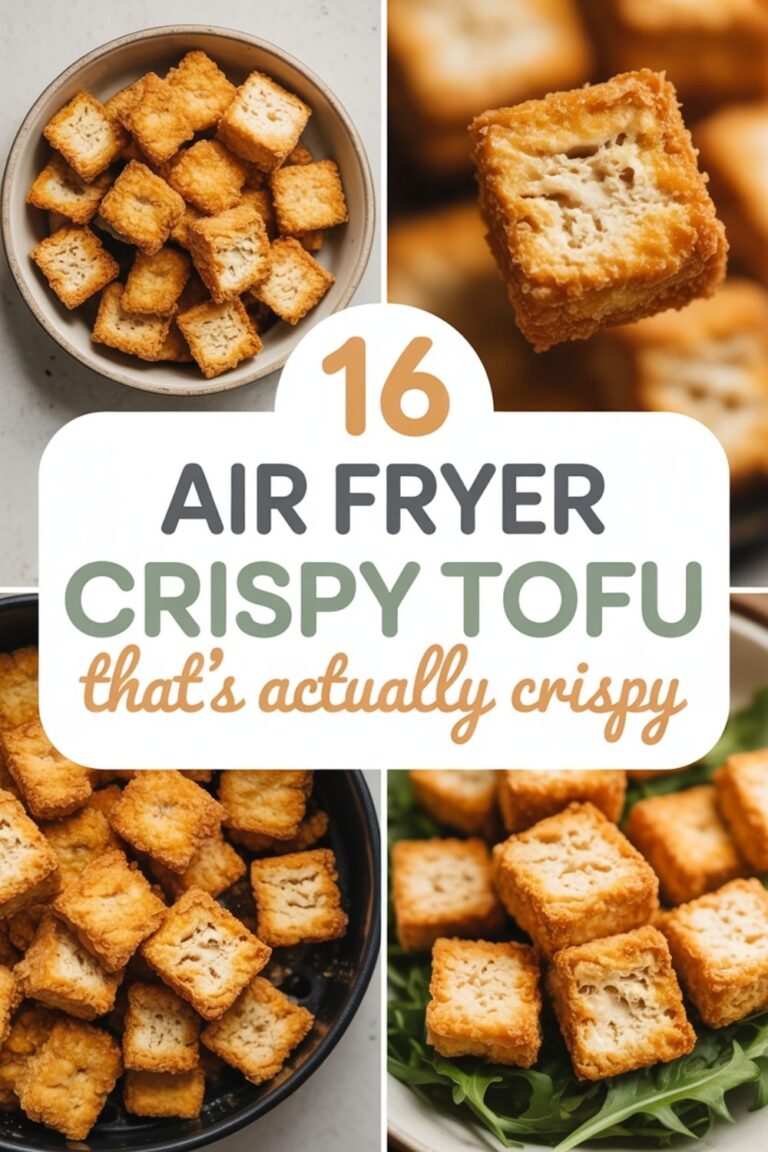
Chicken breast → turkey cutlets or firm tofu: Turkey cooks slightly faster. Tofu needs to be pressed and dried thoroughly first, or it’ll never crisp up properly.
Salmon → cod, halibut, or even shrimp: Adjust time down for shrimp (6-8 minutes max) and slightly up for thicker white fish.
Zucchini → yellow squash or eggplant: Eggplant benefits from salting first to draw out moisture, but the cooking approach is the same.
When you’re in a complete dinner rut and need variety without thinking too hard, these lazy-friendly 5-ingredient dinners rotate through enough options to keep things interesting without requiring a culinary degree.
Frequently Asked Questions
Can I cook frozen vegetables in an air fryer for these spring dinners?
You can, but fresh or thawed vegetables work better. Frozen vegetables release moisture as they cook, which makes it harder to get that crispy texture. If you’re using frozen, add 3-5 minutes to the cooking time and don’t thaw them first—cook from frozen and shake the basket more frequently to redistribute moisture.
How do I prevent spring vegetables from drying out in the air fryer?
Use a light coating of oil and don’t overcook. Delicate spring vegetables like asparagus and snap peas cook quickly—check them a minute or two before the timer goes off. Also, slightly undercooking is better than overcooking since they’ll continue cooking for a minute after you remove them from the basket.
What’s the best way to reheat these air fryer dinners?
Air fryer reheating actually works great for most of these dinners. Use 350°F for 3-5 minutes for vegetables and proteins. They’ll crisp back up way better than microwaving. Just don’t reheat delicate fish or you’ll end up with dry, rubbery results.
Do I need a large air fryer for these recipes?
Not necessarily. Most of these recipes work in a standard 3.5-4 quart air fryer for two servings. If you’re cooking for a family or want to meal prep, a larger 5-6 quart model or a dual-basket air fryer makes life easier since you can cook proteins and vegetables simultaneously.
Are air fryer dinners actually healthier than oven-roasted meals?
According to Mayo Clinic Health System, air fryers use significantly less oil than traditional frying while achieving similar results, which reduces overall fat and calorie content. The nutritional difference between air frying and oven roasting is minimal—both use dry heat without added fats. The real health benefit comes from using less oil than deep frying or pan frying.
Final Thoughts on Light Spring Air Fryer Dinners
Spring doesn’t require complicated cooking. The produce is good enough on its own that you don’t need to do much to make it taste great. Your air fryer just speeds up the process and gives you that satisfying crispy texture without heating up your kitchen or spending an hour on cleanup.
The dinners that stick around in my rotation are the ones that don’t feel like a production. Simple proteins, seasonal vegetables, minimal ingredients, quick cooking times. That’s what makes these recipes work for actual weeknights instead of just sounding good on paper.
Try a few, see what works for your schedule and what you actually enjoy eating. Adjust seasonings, swap vegetables based on what looks good at the market, make them your own. The best spring dinner is the one you’ll make more than once because it’s easy, tastes good, and doesn’t leave you feeling heavy and tired afterward.
Now go air fry something light and spring-appropriate. Your future self who isn’t stuck doing dishes for an hour will thank you.