25 Air Fryer Spring Recipes That Feel Light & Fresh
Look, I get it. Winter had you knee-deep in comfort food comas, and now that the weather’s warming up, you’re craving something that doesn’t weigh you down like a lead balloon. Spring vegetables are popping up everywhere, and honestly, there’s no better way to cook them than in an air fryer.
Here’s the thing about spring cooking—you want recipes that feel effortless but still deliver that crispy, satisfying texture we all crave. The air fryer does exactly that without heating up your entire kitchen or drowning everything in oil. I’ve been testing these recipes all season, and let me tell you, some of them have become absolute staples in my weekly rotation.
What makes spring produce so perfect for air frying? According to nutrition experts, vegetables like asparagus, artichokes, and snap peas reach their nutritional peak in spring, packed with vitamins and antioxidants. Toss them in an air fryer, and you’re preserving more of those nutrients compared to boiling or even sautéing in heavy oil.
Why Your Air Fryer Is Perfect for Spring Cooking
Let’s talk about why this appliance actually makes sense for the season. Spring is that weird in-between time when you don’t want to blast the oven at 400 degrees and turn your kitchen into a sauna, but you’re also not ready to commit to purely raw salads every night.
Research from Cleveland Clinic shows that air frying can reduce oil absorption by up to 80% compared to traditional frying methods. That means you get all the crispy texture without feeling like you need a nap afterward. Plus, it cooks faster than a conventional oven, which is clutch when you’re trying to get dinner on the table before 9 PM.
The circulating hot air creates this perfect environment for caramelizing vegetables—those natural sugars in spring produce really shine when they get a little crispy edge. I’m talking about asparagus tips that crunch, radishes that lose their harsh bite, and zucchini that actually tastes like something other than bland green mush.
The Essential Spring Vegetables You Need
Before we dive into specific recipes, here’s what you should be loading into your cart at the farmers market. Spring vegetables have this delicate, fresh quality that’s completely different from their winter counterparts.
Asparagus
This is the MVP of spring vegetables, hands down. According to Atlantic Health nutritionists, asparagus is loaded with fiber, vitamin K, and has natural anti-inflammatory properties. In the air fryer, those spears get tender in the middle with crispy tips in about 8 minutes. I like using kitchen tongs with silicone tips to flip them halfway through—prevents any casualties from rolling around.
Sugar Snap Peas
These little guys are criminally underrated. They’ve got natural sweetness that intensifies when you air fry them. The pods get slightly blistered while staying snappy inside. Pro move: toss them with a tiny bit of sesame oil and finish with flaky salt. Takes maybe 6 minutes total.
Baby Carrots and Radishes
Roasting radishes might sound weird if you’ve never tried it, but trust me on this one. The peppery bite mellows out completely and they develop this almost buttery quality. Baby carrots are obvious winners—they come out caramelized and sweet without any of the work of peeling and chopping full-size ones.
If you’re looking for more ways to cook vegetables without losing your mind, check out these air fryer vegetable recipes that don’t taste like cardboard. Sometimes you need proof that healthy doesn’t have to mean boring.
Artichokes
Okay, these require a bit more prep work, but halved baby artichokes in the air fryer are legitimately restaurant-quality. The outer leaves get crispy enough to eat whole, and the hearts stay tender. Worth the effort if you’re trying to impress someone or just treat yourself right.
My Go-To Spring Vegetable Combos
Here’s where it gets fun. You don’t need to air fry vegetables one at a time like some kind of culinary assembly line. Certain combos work beautifully together because they have similar cooking times.
The Mediterranean Mix
Combine asparagus, cherry tomatoes, and thinly sliced red onion. Hit them with olive oil, oregano, lemon zest, and garlic. Everything cooks in about 10 minutes, and the tomatoes burst into this intensely sweet situation while the onions caramelize. I use this perforated parchment paper on the bottom of my basket—makes cleanup stupid easy and nothing sticks.
The Asian-Inspired Bowl
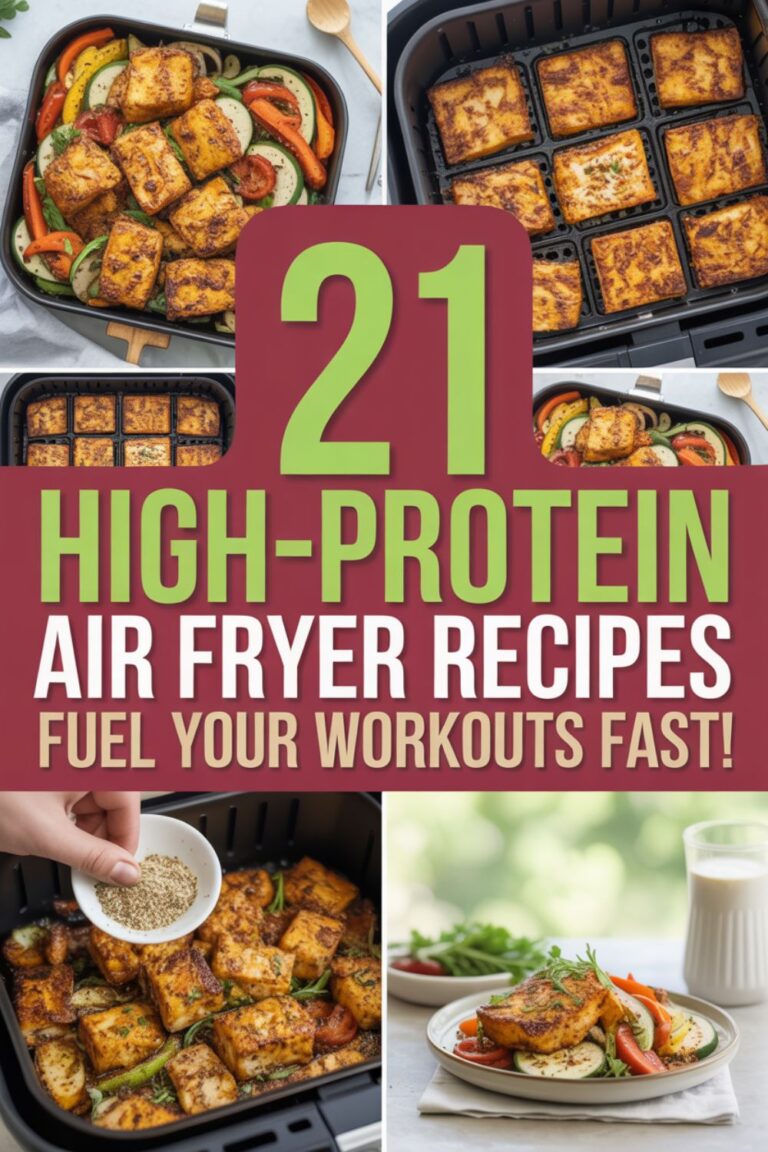
Sugar snap peas, baby bok choy, and shiitake mushrooms with a drizzle of toasted sesame oil. Add some ginger and a splash of rice vinegar after cooking. The mushrooms get almost meat-like in texture, and the bok choy stays crisp-tender. Pair this with some high-protein air fryer bowls if you want to make it a complete meal.
The Spring Rainbow
This is my “eat the rainbow” situation—yellow squash, purple radishes, orange carrots, green asparagus. Sounds precious, but it actually works because everything roasts at roughly the same rate when cut to similar sizes. Plus it photographs well if you’re into that sort of thing.
Game-Changing Protein Additions
Vegetables are great and all, but sometimes you need actual sustenance. The beauty of spring air fryer cooking is you can throw proteins right in with your veggies.
Lemon Herb Chicken Thighs
Boneless chicken thighs work perfectly here because they stay juicy while the skin gets crispy. Season with lemon, thyme, and garlic, then surround them with asparagus and new potatoes. The chicken fat renders out and bastes everything else. It’s basically a one-basket dinner that feels way fancier than the 20 minutes of effort you put in.
For more chicken inspiration, these 5-ingredient air fryer chicken recipes are clutch when you’re short on time but still want something that tastes good.
Salmon with Spring Vegetables
Salmon and asparagus is a classic combo for a reason. The fish gets flaky and slightly crispy on top while the asparagus roasts underneath, catching all those good omega-3s dripping down. I like using a digital meat thermometer to check doneness—takes the guesswork out completely. Aim for 145°F internal temp, and you’re golden. Get Full Recipe.
Crispy Chickpeas
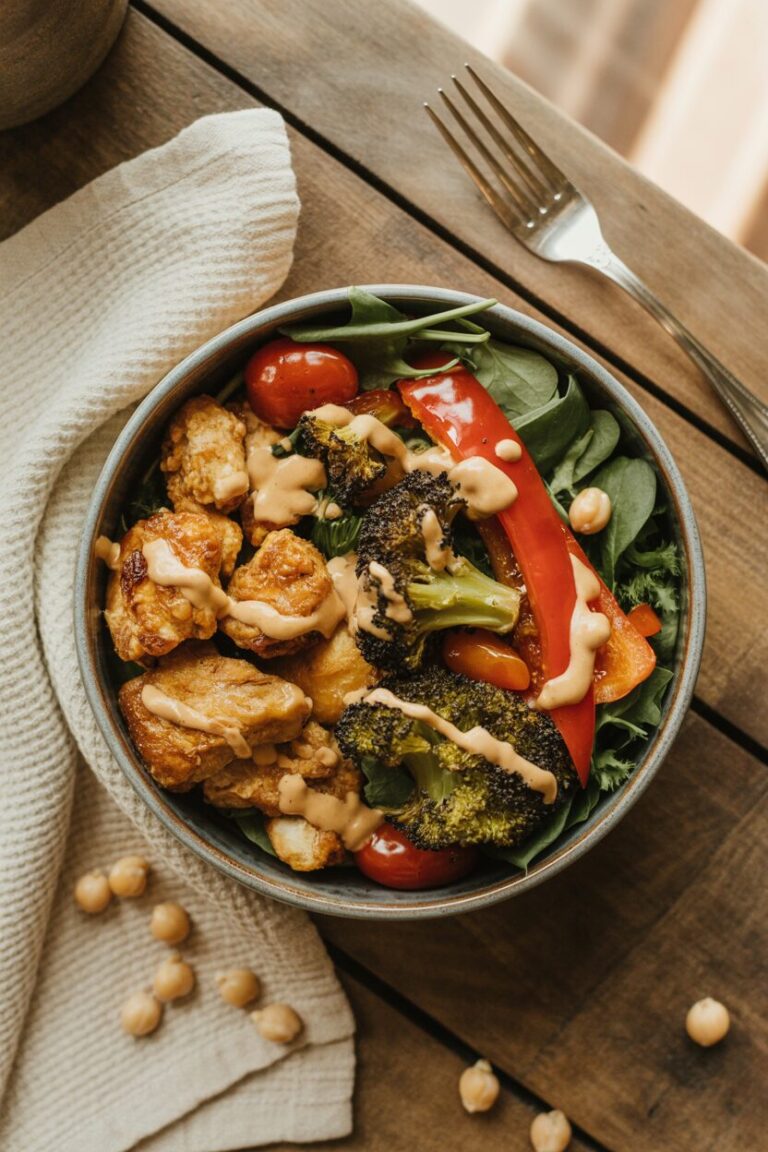
If you’re going meatless, air-fried chickpeas are your friend. They get crunchy on the outside, creamy inside, and you can season them however you want. Toss them on top of any spring vegetable bowl for extra protein and texture. Here’s a solid guide for making crispy chickpeas with just 3 ingredients.
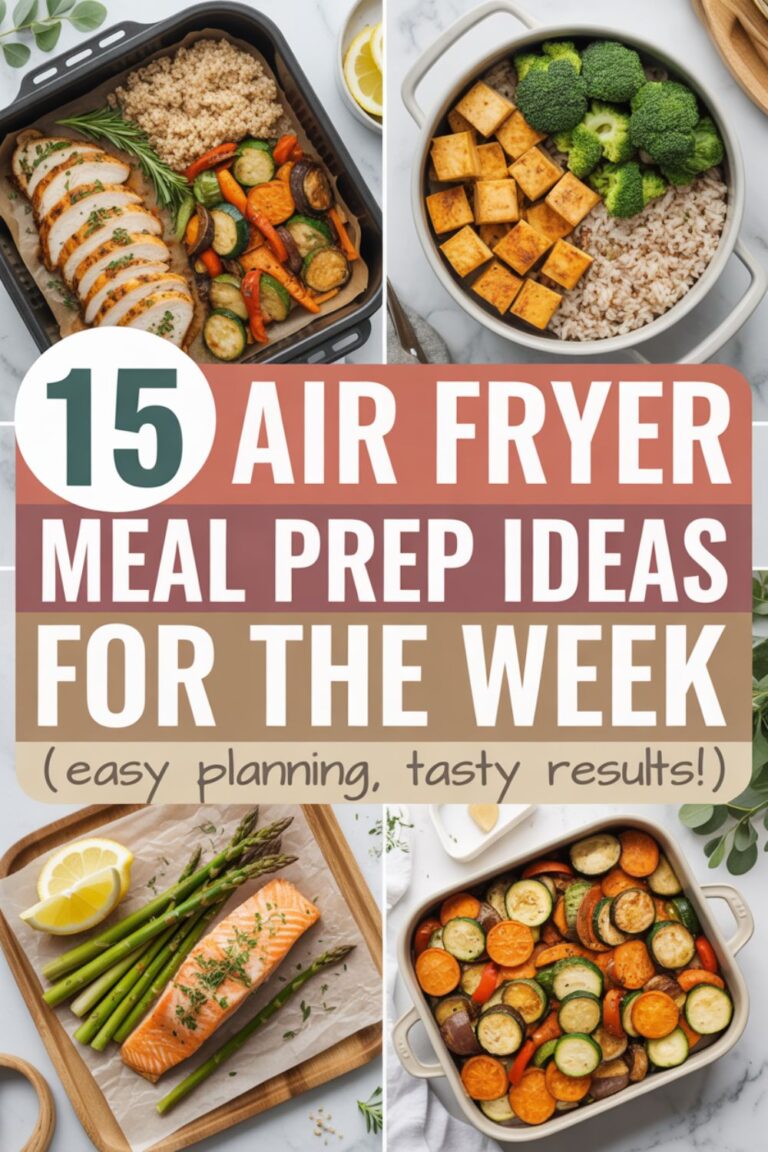
Speaking of easy protein options, if you’re meal prepping for the week, check out these air fryer meal prep ideas that’ll save you from eating sad desk salads all week long.
The Seasoning Situation
Here’s where people usually mess up spring vegetables—they either under-season them because “healthy” or they go overboard trying to mask the natural flavors. Spring produce doesn’t need much, but it does need something.
Keep It Simple
Good olive oil, flaky sea salt, fresh cracked pepper, and a squeeze of lemon. That’s it. That’s the tweet. The air fryer does enough work caramelizing everything that you don’t need seventeen spices fighting for attention. I keep a good quality finishing salt specifically for vegetables—the texture and mineral content make everything taste more like itself.
Fresh Herbs Over Dried
This is spring, people. Fresh herbs are everywhere and actually affordable right now. Toss some chopped dill on those radishes, throw basil on your tomatoes after cooking, finish asparagus with tarragon. Dried herbs have their place, but not here.
The Acid Component
This is non-negotiable. Every spring vegetable situation needs acid—lemon juice, red wine vinegar, apple cider vinegar, whatever. It brightens everything and makes the flavors pop. I add it after cooking though, not before, because acid can prevent proper browning.
Kitchen Tools That Make Spring Cooking Easier
Look, you don’t need a ton of fancy equipment, but a few strategic purchases make the whole air fryer experience way less annoying. Here’s what actually gets used in my kitchen:
These reusable silicone mats are a game-changer for cleanup. Unlike parchment, they don’t blow around when the fan kicks on, and you can just toss them in the dishwasher. I’ve had the same set for over a year.
Stop buying those aerosol sprays with questionable ingredients. This little pump sprayer lets you use your own oil and gives a super fine, even coat. Uses way less oil than pouring or brushing.
For flipping vegetables without scratching your air fryer basket or dropping half of them on the floor. The silicone tips are heat-safe and grippy.
This downloadable PDF has 50+ seasonal recipes with cooking times and temp guides. Actually useful when you’re winging it and need reference temps.
If you’re planning spring meals weekly, this printable template helps organize recipes, shopping lists, and cooking schedules. Sounds basic, but it’s weirdly helpful.
Quick video tutorials on how to prep spring vegetables efficiently—trimming asparagus, cleaning artichokes, etc. Good for beginners who don’t want to YouTube everything.
Common Mistakes (and How to Avoid Them)
I’ve made every single one of these mistakes, so learn from my failures instead of repeating them.
Overcrowding the Basket
This is the number one way people screw up air fryer vegetables. If you pile everything in there like you’re stuffing a suitcase, nothing crisps properly. You just end up with steamed vegetables. Cook in batches if you need to—it takes an extra 10 minutes but the results are completely different.
Not Drying Vegetables First
Wet vegetables don’t crisp. Period. After washing your produce, actually dry it with a kitchen towel or these absorbent produce cloths. Extra moisture = extra steam = sad, soggy results.
Forgetting to Shake or Flip
Set a timer for halfway through cooking and shake that basket or flip your vegetables. The air circulation is good, but it’s not magic. You want even browning on all sides. I use heat-resistant silicone oven mitts for this—the basket gets nuclear-hot and regular potholders don’t cut it.
Using the Wrong Temperature
Different vegetables need different temps. Leafy greens and delicate herbs? 350°F max. Hearty root vegetables? Crank it to 400°F. Spring vegetables usually fall somewhere in the middle—375-390°F is your sweet spot for most things.
Quick Spring Meals That Actually Deliver
Let’s get practical. Here are some complete meal ideas that use spring ingredients and won’t have you standing in the kitchen for hours.
Breakfast Hash Situation
Diced new potatoes, asparagus pieces, cherry tomatoes, and a fried egg on top. Cook the potatoes first for 12 minutes, add the vegetables for another 8, then crack an egg right in there for the last 5 minutes. The egg white sets while the yolk stays runny. It’s absurdly good and feels way more impressive than the effort level. You can find similar inspiration in these 5-ingredient air fryer breakfast ideas.
The Lazy Spring Bowl
This is my go-to when I can’t be bothered with actual cooking. Air fry whatever spring vegetables you have—asparagus, snap peas, radishes, whatever. Throw them on quinoa or rice, add some canned chickpeas (also air fried for texture), drizzle with tahini and lemon. Done. Takes 15 minutes tops and hits all the macro targets. Get Full Recipe.
Sheet Pan Dinner (But in an Air Fryer)
Italian sausages with bell peppers, zucchini, and red onion. The sausage fat flavors everything else, and you get a complete meal from one basket. I like using pre-seasoned chicken sausages to keep it lighter but still flavorful. Check out these 10-minute air fryer dinners when you need something fast.
Snacks That Don’t Suck
Spring vegetables make surprisingly good snacks when you air fry them. Way better than that bag of chips you were eyeing.
Parmesan Asparagus Fries
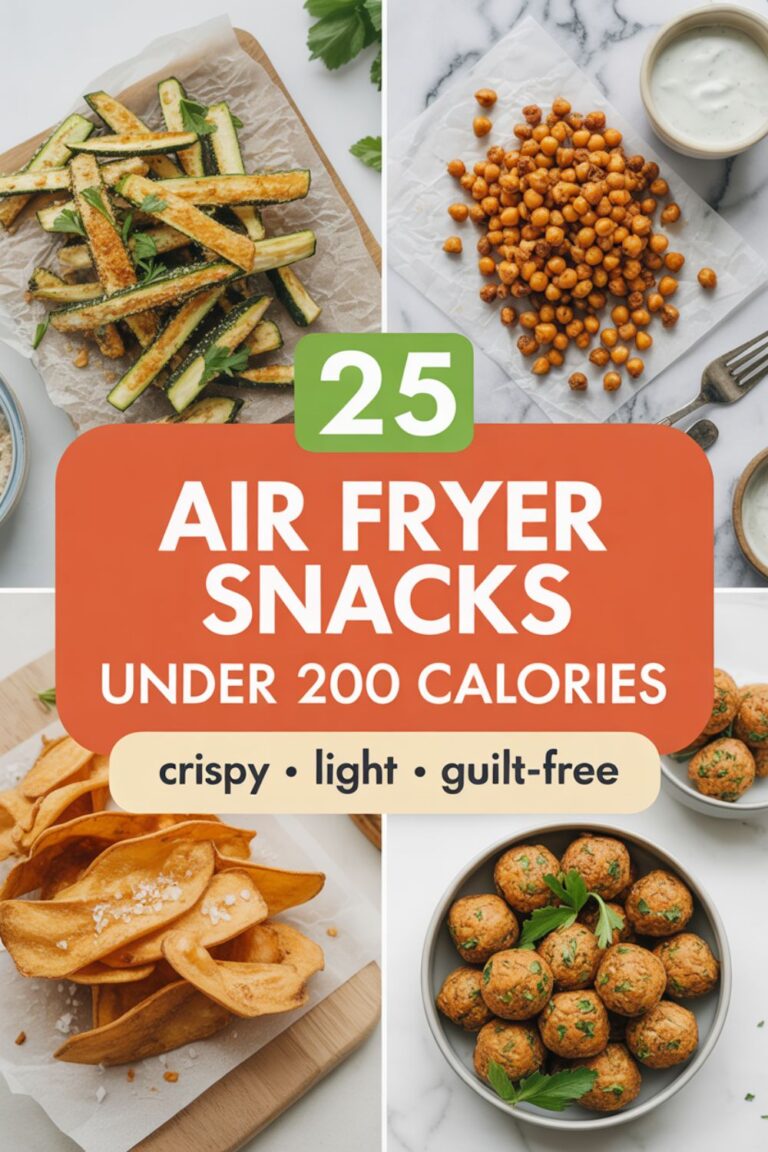
Coat asparagus spears in a little parmesan and panko, air fry until crispy. They’re like elevated vegetable fries that actually taste good cold too. Great for meal prep snacking throughout the week. For more snack inspiration, here are some air fryer snacks under 200 calories that won’t derail your entire day.
Crispy Snap Pea Chips
Slice sugar snap peas in half lengthwise, season with whatever you’re feeling, air fry at 375°F for about 8 minutes. They get crispy like chips but you’re eating actual vegetables. Kids will even eat these, which is saying something.
Radish Chips
Slice radishes super thin (a mandoline slicer makes this way easier), toss with olive oil and salt, air fry until crispy. They lose all that peppery harshness and become addictively crunchy. Plus they look cool with the pink edges.
For even more snack options that won’t leave you feeling guilty, check out these crispy air fryer snacks that prove healthy can actually be satisfying.
The Meal Prep Angle
If you’re trying to adult properly and meal prep, spring vegetables in the air fryer are your secret weapon. They reheat way better than anything boiled or steamed.
Cook a bunch of different vegetables on Sunday—asparagus, carrots, zucchini, snap peas, whatever. Store them in separate glass meal prep containers and mix and match throughout the week. They stay crispy for 3-4 days in the fridge, and you can eat them cold in salads or reheat for 2 minutes in the air fryer.
Pair your prepped vegetables with some of these high-protein air fryer bowls or try these meal prep strategies that actually work in real life.
The protein situation is easy too. Air fry a batch of chicken thighs or salmon fillets, portion them out, and you’ve got complete meals ready to grab. Way better than those expensive meal delivery services, and you actually know what’s in your food.
Flavor Profiles That Work
Let’s talk about seasoning combinations that elevate spring vegetables from “fine I guess” to “legitimately craving these.”
Lemon-Herb Everything
Lemon zest, fresh dill, garlic, and a touch of white wine vinegar after cooking. This works on literally any spring vegetable. The brightness complements the natural sweetness without overpowering it.
Balsamic Glaze Situation
Roast your vegetables with olive oil and salt, then drizzle with balsamic glaze right before serving. The sweetness plays really well with charred asparagus or caramelized carrots. Just don’t add the glaze before cooking or it’ll burn.
Miso-Ginger Magic
Mix white miso paste with a little rice vinegar, grated ginger, and sesame oil. Toss your cooked vegetables in this. The umami is insane, and it adds depth without heaviness. Works especially well on snap peas and bok choy.
Mediterranean Vibes
Za’atar, sumac, olive oil, and lemon. This combination makes even boring zucchini taste interesting. The sumac adds this bright, tangy note that’s different from straight lemon but equally effective.
Budget-Friendly Spring Cooking
Spring vegetables can get pricey if you’re buying everything organic at Whole Foods. Here’s how to keep it reasonable without compromising quality.
Hit up farmers markets toward closing time—vendors often discount produce they don’t want to pack back up. The quality is still great, you’re just getting it for less. Also, focus on what’s actually in season in your area. Asparagus from California in spring costs way less than asparagus shipped from Peru in January.
Frozen vegetables work in the air fryer too, FYI. Frozen snap peas or mixed spring vegetables cook up almost identical to fresh, and they’re available year-round at consistent prices. Just make sure they’re completely thawed and dried before air frying.
For more budget-conscious meal ideas, these cheap and easy air fryer meals prove you don’t need to spend a fortune to eat well.
Frequently Asked Questions
Do spring vegetables really cook faster in an air fryer?
Yeah, significantly faster. Most spring vegetables cook in 8-15 minutes versus 20-30 in a conventional oven. The concentrated heat and air circulation speed up the process without sacrificing that crispy texture. Plus your kitchen doesn’t heat up as much, which is great when the weather’s getting warmer.
Can I cook frozen vegetables in the air fryer?
Absolutely, but there’s a trick to it. Don’t thaw them first—cook them straight from frozen at 375°F. Just add an extra 3-5 minutes to your cooking time and make sure to shake the basket a couple times. They won’t be quite as crispy as fresh, but they’re still way better than microwaved or steamed.
How do I prevent vegetables from drying out?
Use a light coating of oil—you don’t need to drench them, just a light spritz or toss. The oil helps conduct heat and prevents moisture loss while promoting browning. Also, don’t overcook them. Most spring vegetables are done when they’re tender-crisp, not when they’re total mush.
What’s the best temperature for spring vegetables?
Most spring vegetables do best at 375-390°F. Delicate stuff like asparagus tips or snap peas lean toward 375°F, while heartier vegetables like carrots or potatoes can handle 400°F. When in doubt, start at 380°F and adjust from there based on results.
Can I meal prep air-fried vegetables for the week?
Definitely. Air-fried vegetables hold up way better than steamed or boiled for meal prep. They stay relatively crispy for 3-4 days in the fridge in airtight containers. Reheat them for 2-3 minutes in the air fryer to refresh the texture, or eat them cold in salads and bowls.
Final Thoughts
Spring cooking doesn’t have to be complicated or time-consuming. The air fryer strips away all the fussy techniques and just lets the vegetables do their thing. You’re basically fast-forwarding to the good part—crispy, caramelized, actually-want-to-eat-them vegetables—without the hour of oven preheating and standing guard duty.
The biggest revelation for me was realizing that spring vegetables don’t need to be drowned in butter or cheese to taste good. A little olive oil, some sea salt, proper heat, and they’re genuinely delicious on their own. The natural sweetness that develops when you air fry asparagus or carrots is something you just don’t get with other cooking methods.
Start with whatever’s cheap and available at your local market this week. Throw it in the air fryer with some basic seasoning. Worst case scenario, you’ve got a healthy side dish. Best case, you discover your new favorite spring recipe that takes less time than ordering takeout. IMO, that’s a pretty solid risk-to-reward ratio.
These recipes work whether you’re meal prepping for the week, throwing together a quick dinner after work, or actually trying to impress someone with your cooking skills. The air fryer takes care of the technical stuff—you just need to show up with decent ingredients and not overcook them. Everything else is pretty much autopilot.